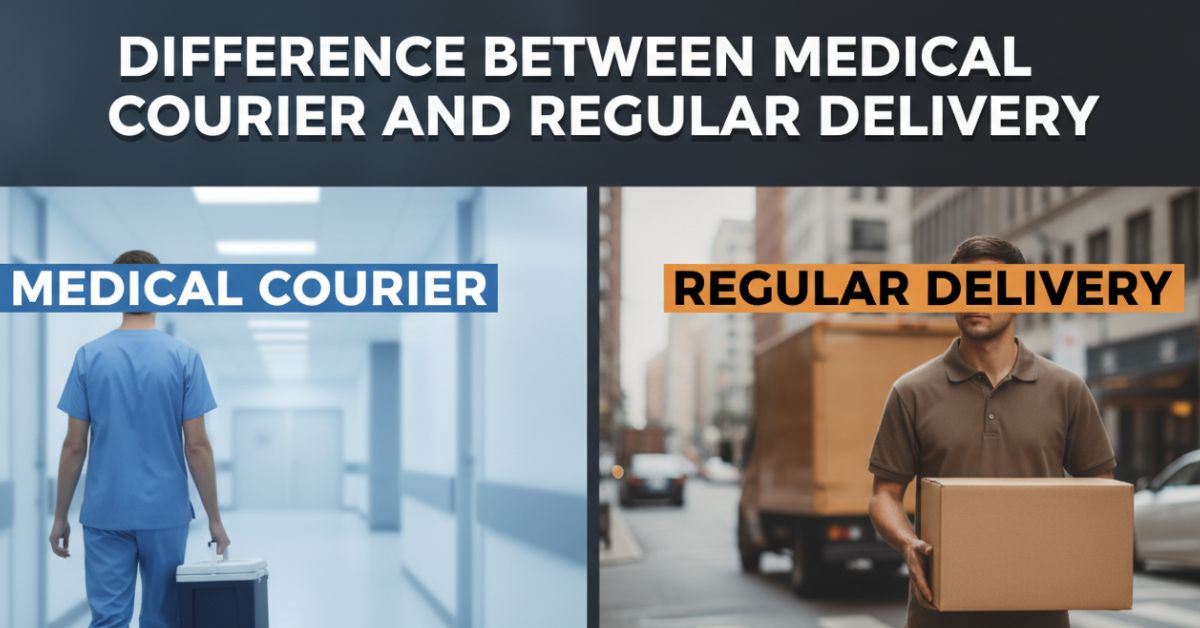
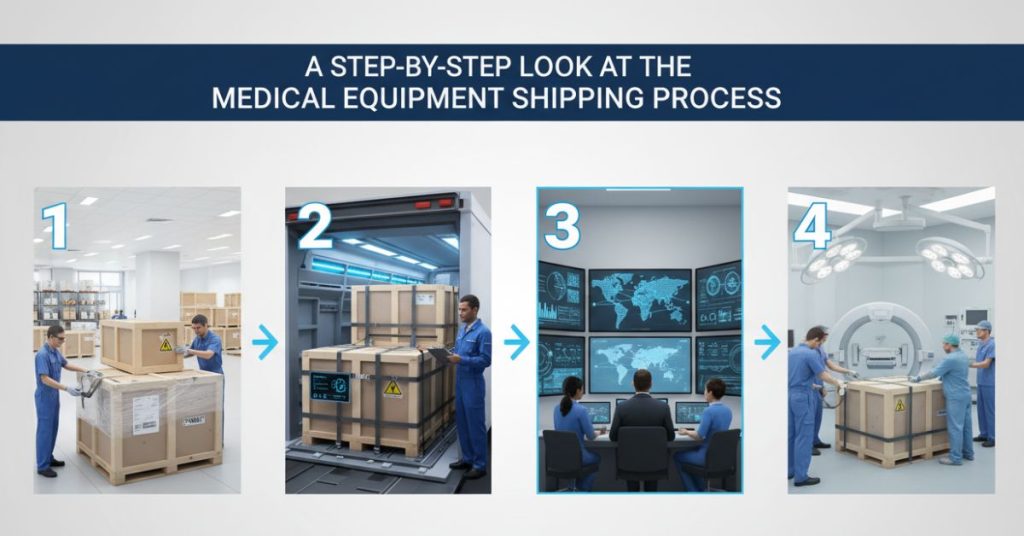
Medical equipment shipping is not like moving office furniture or general cargo. You are dealing with tools that doctors rely on to diagnose, treat, and save lives. Even a small mistake during transport can lead to delays, damage, or safety risks. This process demands precision, careful handling, and strict compliance at every step. When equipment arrives late or compromised, patient care can suffer. That is why every phase of medical equipment shipping must be planned and carried out with extra care.
Types of Medical Equipment Being Shipped
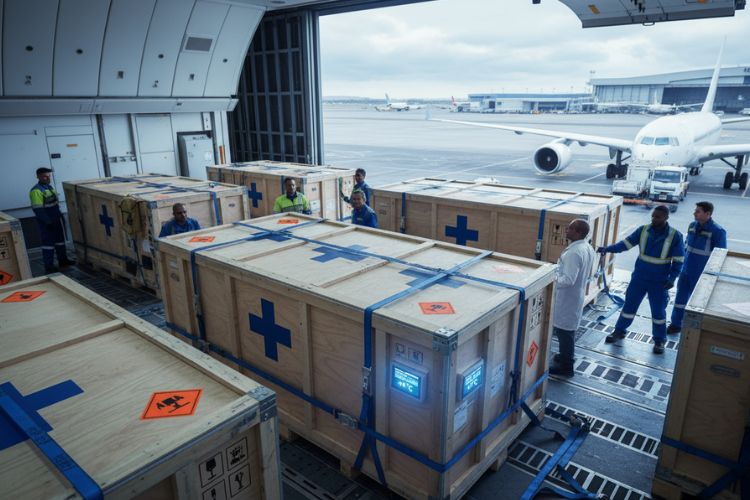
Not all medical equipment is built the same, and that directly affects how it needs to be moved. Large diagnostic machines such as MRI or CT scanners require heavy-duty handling, secure loading, and specialized equipment to prevent damage during transit.
Surgical instruments, on the other hand, need to be kept clean and well-protected because they are smaller but frequently delicate and sterile. Hospital furniture presents issues with size and weight, while laboratory equipment may contain delicate parts that cannot withstand vibration or abrupt temperature changes. Understanding what you are shipping helps determine the safest medical equipment transportation approach from the start.
Pre-Shipping Planning and Risk Assessment
Before anything gets picked up, logistics teams sit down and map things out in detail. They review equipment specifications, weight, fragility, and environmental requirements to make sure nothing is overlooked early on.
Routes are meticulously designed to avoid bumpy roads and unnecessary stops that might cause delays. To ensure that there are no delays in the shipment, timelines are verified twice.
Teams also keep an eye out for potential hiccups like bad weather or customs delays. By planning ahead, they can nip problems in the bud and keep the transportation of medical equipment running smoothly from start to finish.
Regulatory and Compliance Requirements in Medical Equipment Transport
Rules and regulations play a major role when shipping medical equipment. Depending on the destination, you may need permits, compliance certificates, or documented proof of sterilization before the shipment can move forward.
Some equipment needs to stay within strict temperature ranges and meet hygiene standards even while it’s on the move. When shipping internationally, there’s also extra paperwork to get through customs and satisfy health authorities.
If any of these requirements are missed, shipments can get held up or even sent back. Staying on top of compliance helps keep medical equipment transportation running smoothly and prevents
Proper Packaging to Protect Sensitive Medical Equipment
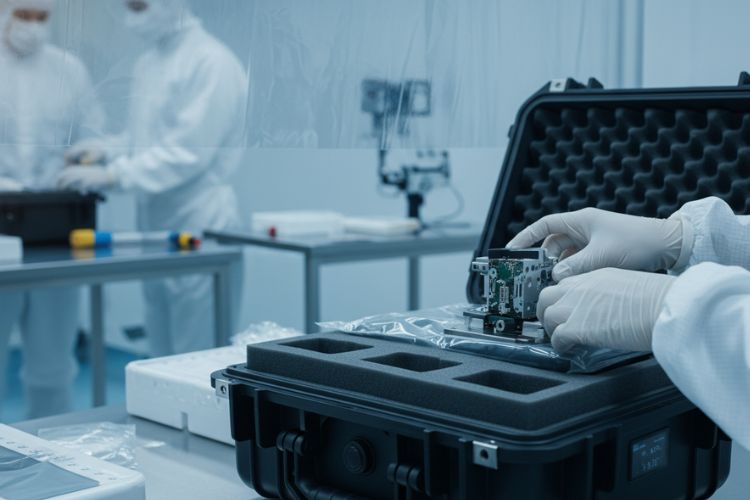
Packaging is where protection really starts to take shape. Medical devices are often placed in custom crates that hold them firmly in position, while shock-absorbing materials help cushion against bumps and vibrations during transit.
Moisture barriers are added to prevent corrosion and internal damage, and anti-static wrapping is used when electronic components are involved. Good packaging does more than cover the equipment. It locks everything down so nothing shifts or rattles while shipping medical equipment from one point to another.
Safe Handling During Transit and Final Delivery
Handling doesn’t stop once the equipment is loaded onto the vehicle. Skilled personnel step in to carefully load and unload each item, making sure nothing gets dropped or jolted along the way.
Vehicles are set up to keep everything secure during transit, so you can have peace of mind knowing the equipment will arrive safely and in perfect condition. At delivery, care is taken to move the equipment into position without exposing it to contamination or damage. Many providers offering Medical Equipment Delivery Services focus heavily on this final stage because it is where mistakes often happen.
Labeling and Documentation for Accurate and Safe Delivery
Clear labeling makes a big difference once the shipment is on the move. Handling instructions, such as fragile or keep upright, guide carriers on how to treat the cargo. Serial numbers and equipment details help with tracking and verification. Accurate invoices and customs paperwork reduce the chance of delays. When documentation is complete and easy to understand, everyone involved knows what to do. This keeps medical equipment logistics flowing without unnecessary back and forth.
Choosing the Right Shipping Method and Carrier
Selecting the right transport option depends on urgency, distance, and sensitivity. Air freight is often chosen for urgent deliveries, while sea freight works better for large equipment with flexible timelines. Ground transport is commonly used for regional deliveries where handling can be closely controlled. Specialized carriers with experience in medical equipment shipping services understand how to manage risks along the way. Choosing the right partner helps you stay on schedule and avoid headaches later.
How Temperature Control Protects Your Medical Equipment?
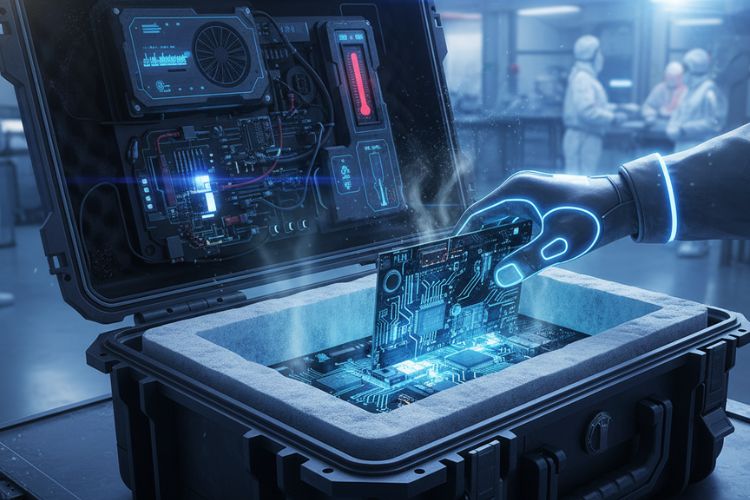
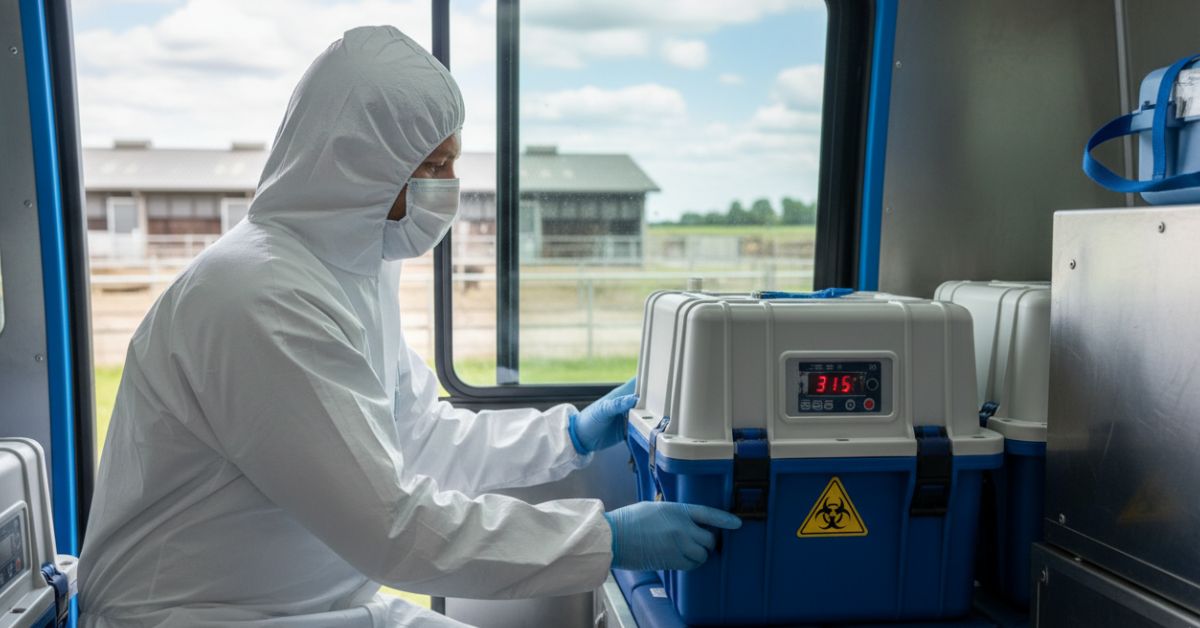
Some medical equipment must stay within strict temperature ranges from pickup to delivery. Cold-chain solutions rely on insulated containers, gel packs, or active cooling systems to maintain stable conditions throughout the journey.
Sensors track temperature in real time, so any issues can be addressed quickly. This approach is critical for devices that can lose accuracy or safety if conditions change, making reliable climate control a key part of medical equipment logistics.
Real-Time Tracking and Shipment Monitoring
Tracking tools make it easier for you to keep an eye on your shipment from the moment it leaves to when it finally arrives. GPS systems let you check in anytime to see exactly where the equipment is, while condition sensors keep tabs on shock, tilt, and temperature along the way.
If something starts to go off track, instant alerts allow teams to jump in and sort it out before it turns into a bigger issue. This real-time visibility helps you stay in control, eases stress, and keeps everything running smoothly while shipping medical equipment over long distances.
How to Handle Customs for International Shipments?
International shipments add another layer of complexity. Customs officials go through permits, duty payments, and compliance documents before they release the cargo. If any paperwork is missing or filled out incorrectly, it can hold up the whole process.
Experienced providers often team up with customs brokers to speed things along and sort out any issues quickly. Smooth clearance procedures help make sure medical equipment transportation doesn’t get held up at borders and gets delivered right on time.
Installation, Testing, and Post-Delivery Inspection
After the equipment is delivered, the work isn’t completely done. Teams carefully unpack everything and go over it to check for any visible issues. They run calibration and functional tests to make sure everything is working as it should.
This step helps catch any problems early and gets the equipment ready for use right away. Professional teams often team up with hospital staff to set everything up smoothly and iron out any hiccups, making sure there are no delays in patient care.
Managing Delays, Damage, and Emergency Situations
Even with planning, things can go wrong. Weather issues, traffic disruptions, or unexpected inspections can cause delays. Damage risks are handled through proper insurance and quick response plans. Emergency rerouting may be used to keep shipments moving. Providers like WAY Medical Courier Service focus on problem-solving to help you get back on track when challenges pop up.
Common Challenges in Medical Equipment Shipping and How to Overcome Them
Some challenges tend to pop up repeatedly during medical equipment shipping. By preparing all the documentation in advance, regulatory delays can be avoided. Temperature problems can be controlled with dependable monitoring tools, and improper packaging can be avoided by choosing custom solutions rather than standard boxes.
By taking lessons from past shipments and staying on top of potential problems, companies can fine-tune their shipping medical equipment process and keep risks to a minimum over time.
How Professional Medical Logistics Providers Improve the Process?
Specialized medical logistics providers really know how to take the stress out of shipping. They bring experience and a clear process to every shipment, knowing exactly how to handle compliance requirements, packaging standards, and proper handling protocols.
With advanced tracking systems and trained staff on hand, they can catch issues before they turn into bigger problems. Working with professionals can help you avoid costly errors, save time, and simplify a seemingly difficult shipment process.
Conclusion
Medical equipment shipping requires planning, expertise, and attention to detail at every step. From preparation and packaging to tracking and final delivery, each phase plays a role in protecting critical tools. When done right, medical equipment shipping supports healthcare teams and helps ensure patients receive timely and reliable care.
If you’re looking for reliable, timely, and fully compliant medical equipment shipping, WAY Medical Courier Service can help. From temperature-sensitive deliveries to durable medical equipment, their expert team ensures your shipments arrive safely, on time, and with complete peace of mind.