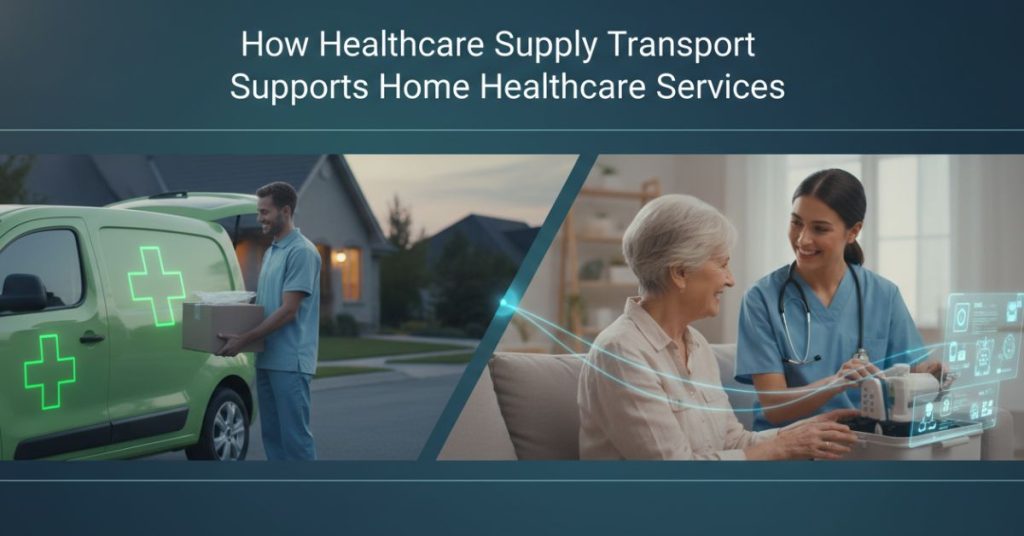
Many patients now prefer receiving care at home because it feels safer, more comfortable, and less stressful than a clinical environment. As this shift continues, the need for dependable logistics has grown alongside it. This is where healthcare supply transport becomes essential, making sure patients receive the medical items they need without unnecessary delays.
From daily medications to essential medical devices, home-based care depends on supplies arriving on time and in good condition. When deliveries are inconsistent or unreliable, the entire care process can suffer, affecting both patients and caregivers.
The Growing Demand for Home-Based Medical Care

Several factors have pushed home healthcare into the spotlight. Chronic health conditions are more common, the population is aging, and hospitals are often stretched beyond capacity. Home care offers a practical solution by allowing patients to receive treatment while staying in familiar surroundings.
As more people choose this option, healthcare delivery services help keep everything running smoothly. They connect suppliers with caregivers and patients, making sure treatment continues without interruption caused by missing or late supplies.
What Makes Healthcare Logistics Different?
Healthcare logistics is not like regular delivery work. Medical supply transport involves careful handling, trained staff, and close attention to rules that cannot be ignored. Medications, test kits, and sterile equipment need to be looked after properly and cannot be packed or shipped like everyday items.
Even small errors can quickly add up and cause serious problems. That is why healthcare logistics calls for accuracy, clear responsibility, and a strong focus on safety from the moment supplies are picked up until they are handed over.
Timely Delivery and Continuity of Care
Timing plays a big role in home healthcare. Many patients rely on regular deliveries to keep up with their treatment. When supplies show up late, care plans can fall behind, causing stress and, in some cases, health concerns.
Reliable transport systems help keep things on track by handling both routine and urgent deliveries. This allows home healthcare professionals to focus on looking after patients instead of following up on missing supplies.
Maintaining Safety and Quality Standards
Safety is especially important in home healthcare settings. Medical supply transport must protect items from damage, contamination, and temperature changes during transit. This is critical for medications, biologics, and other sensitive products.
When logistics providers follow proper handling and storage practices, caregivers can trust that the supplies they use are safe and effective, giving patients peace of mind as well.
Supporting Medical Equipment Needs at Home
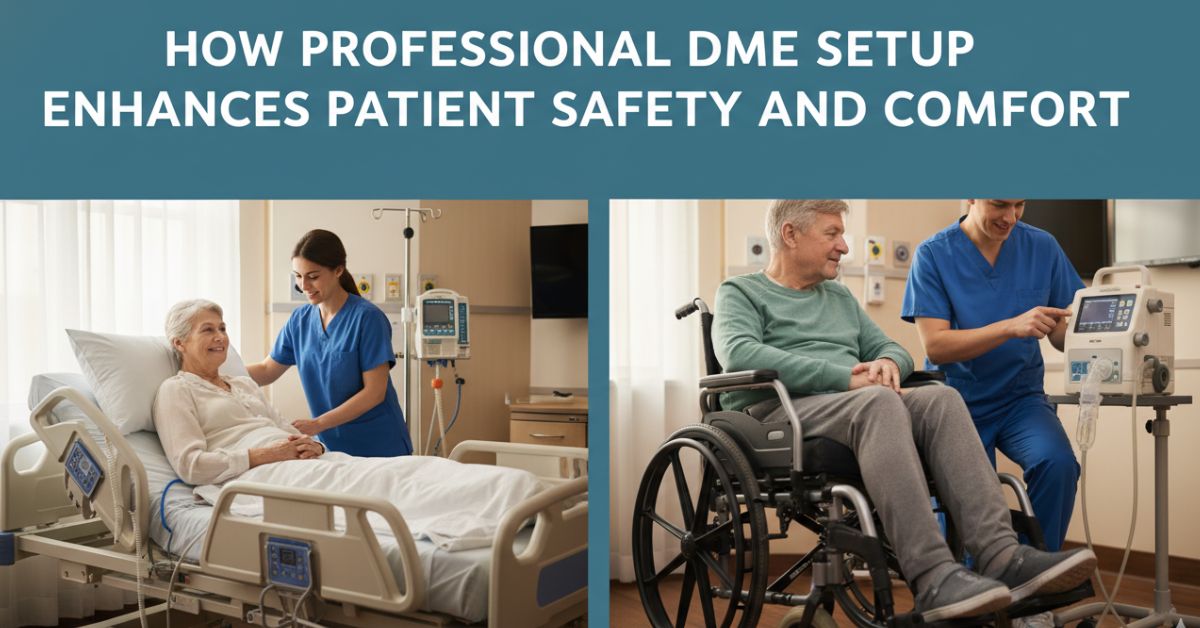
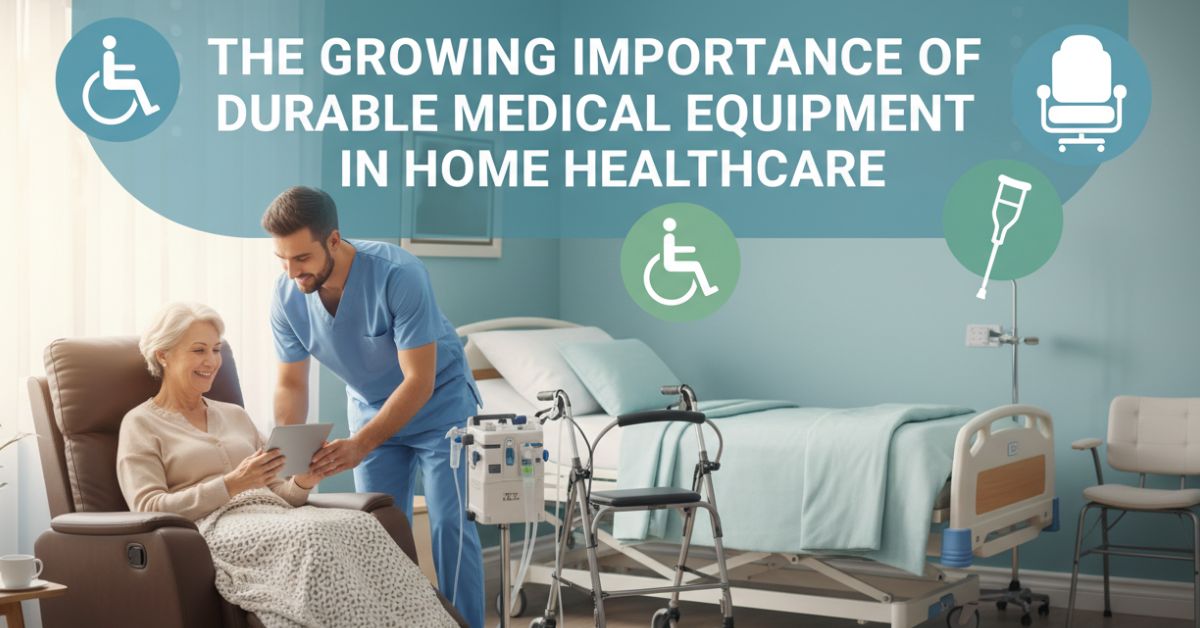
Many patients receiving care at home depend on medical equipment to go about their daily lives. Items such as oxygen units, mobility aids, and monitoring devices need to arrive safely and ready to use. Healthcare supply transport makes this possible by ensuring equipment is delivered directly to the patient’s home without unnecessary delays.
When equipment is handled with care during delivery, patients can begin or continue treatment smoothly. This reliable support helps caregivers provide steady care outside hospital settings and allows patients to stay comfortable in their own homes.
The Role of Healthcare Delivery Services in Home Care

Handling medical deliveries for home care can be challenging. Supplies often need to be delivered to different homes, sometimes with very little notice. Healthcare delivery services help keep things organized by managing inventory, scheduling deliveries, and staying connected with suppliers and care teams.
When this process runs smoothly, providers can focus on patient care, and patients receive what they need without delays or added stress.
Key Benefits of Reliable Medical Logistics for Home Care
Reliable medical logistics often work quietly in the background, but it plays a big part in home healthcare. When supplies show up on time and in good condition, patients can get on with their recovery, and caregivers can carry out their work without constant interruptions. A steady delivery system helps cut down delays, keeps treatments from falling behind, and makes care at home feel more manageable.
Some of the key benefits include:
- Easier access to medications and medical supplies without having to go back and forth to hospitals
- Fewer interruptions in treatment plans caused by late or missing deliveries
- Better support for caregivers who look after patients across different locations
- Added peace of mind for patients receiving care in their own homes
When logistics run smoothly, home healthcare becomes more reliable, less stressful, and easier for everyone involved.
Overcoming Challenges in Home Healthcare Logistics
Delivering medical supplies to homes comes with its own set of challenges. Healthcare supply transport must deal with last-mile delivery issues, varied residential environments, and time-sensitive needs.
At the same time, logistics providers must follow healthcare regulations while controlling costs and scaling services. Addressing these challenges requires experience, planning, and flexible logistics solutions.
Technology’s Impact on Medical Logistics
Technology has made medical supply transport more reliable and transparent. Tools like real-time tracking, digital records, and route optimization have improved how deliveries are managed.
These systems help reduce errors, shorten response times, and make it easier for healthcare providers to coordinate care for patients receiving treatment at home.
Compliance and Regulatory Responsibility
Healthcare logistics follows strict rules for a reason. These guidelines are in place to keep patients safe and protect sensitive information. Healthcare delivery services have to handle medical items carefully, follow privacy standards, and transport supplies the right way so nothing goes wrong along the way.
When compliance is taken seriously, it helps build trust between providers and logistics teams and ensures every delivery is handled responsibly from start to finish.
Choosing the Right Logistics Partner
When it comes to home healthcare, having the right logistics partner can make all the difference. Without a doubt, things run more smoothly when providers work with a team they can count on. A dependable healthcare supply transport company understands that medical deliveries are not just packages being dropped off. Timing, safety, and accuracy all have to line up.
Over time, the right partner helps healthcare providers scale up their services, stay aligned with regulations, and keep care consistent as patient needs continue to grow.
Enhancing Patient Trust Through Professional Couriers
For patients receiving care at home, how supplies are delivered really matters. When deliveries are late or handled roughly, it can cause worry. On the other hand, a courier who arrives on time and handles supplies carefully helps patients feel at ease. Professional healthcare courier solutions understand the importance of being careful and respecting privacy.
Over time, patients begin to recognize these couriers. Seeing the same friendly faces helps build trust and makes home healthcare feel more comfortable and reliable.
Strengthening Home Healthcare Delivery Systems

Efficient home healthcare delivery systems allow caregivers to provide continuous care without interruptions. When supplies arrive on time and in good condition, patients experience fewer delays and better overall outcomes.
Reliable logistics also ease the workload for caregivers, allowing them to focus on patient needs rather than supply issues.
The Long-Term Impact on Healthcare Systems
Consistent healthcare supply transport supports long-term stability in healthcare delivery. Providers experience fewer disruptions, and patients benefit from dependable access to care at home.
As home healthcare continues to expand, strong logistics systems will remain essential to meeting patient needs effectively.
Conclusion
Home healthcare depends on much more than medical expertise alone. Behind every successful home care visit is a logistics system making sure supplies arrive when and where they are needed. From medications to medical equipment, healthcare logistics support safe and effective care outside hospital settings.
As home-based care becomes more common, investing in reliable and compliant transport solutions will be key to supporting patients and strengthening the healthcare system as a whole.
Home healthcare is about more than medical skills alone. Patients want to feel confident that their supplies will show up safely and on time at their doorstep. That peace of mind comes from a reliable healthcare supply transport working quietly in the background. With a strong focus on reliability and community care, WAY Medical Courier Service helps keep home healthcare running smoothly so patients and families can focus on what matters most.