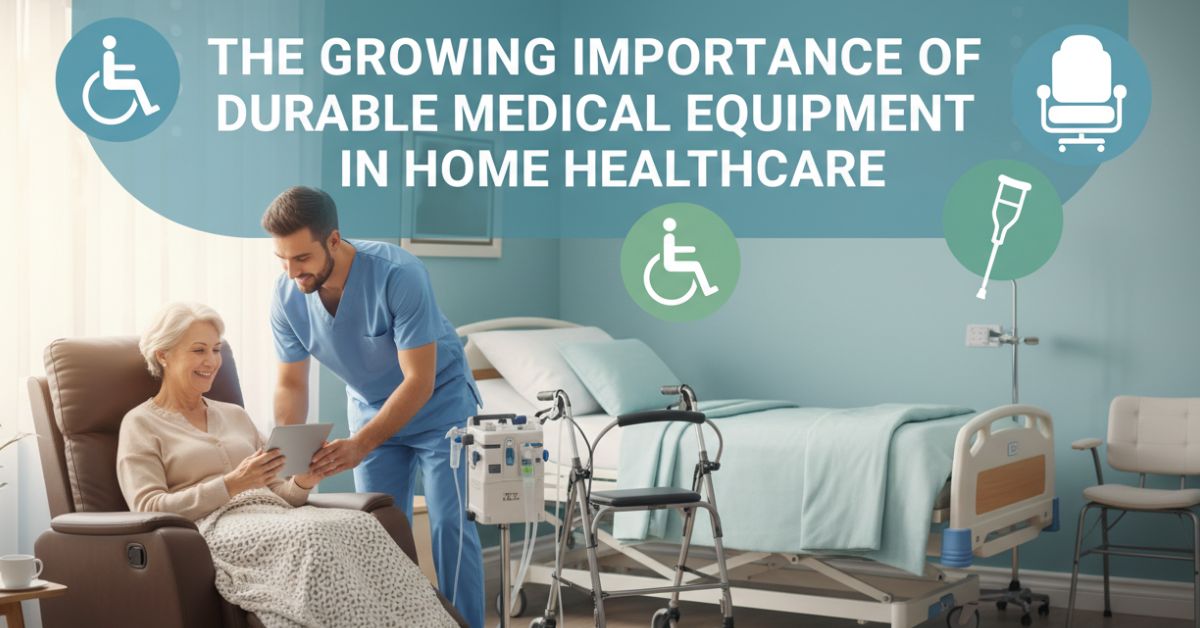
Home healthcare has become an essential part of modern patient care. Many patients today recover, manage chronic illnesses, or receive long-term treatment in the comfort of their homes. To support this type of care, doctors often prescribe Durable Medical Equipment (DME) such as hospital beds, wheelchairs, oxygen concentrators, walkers, and CPAP machines. These devices help patients maintain independence and manage daily activities safely.
However, simply delivering medical equipment to a patient’s home is not enough. The equipment must be installed correctly, adjusted for the patient’s needs, and placed in a safe location. This is where a professional DME setup becomes extremely important. A proper setup ensures that equipment functions correctly, reduces safety risks, and improves overall patient comfort. When trained technicians handle the installation and explain how to use the equipment, patients and caregivers can feel more confident and supported in the home healthcare environment.
Understanding the Importance of DME Setup for Home Healthcare
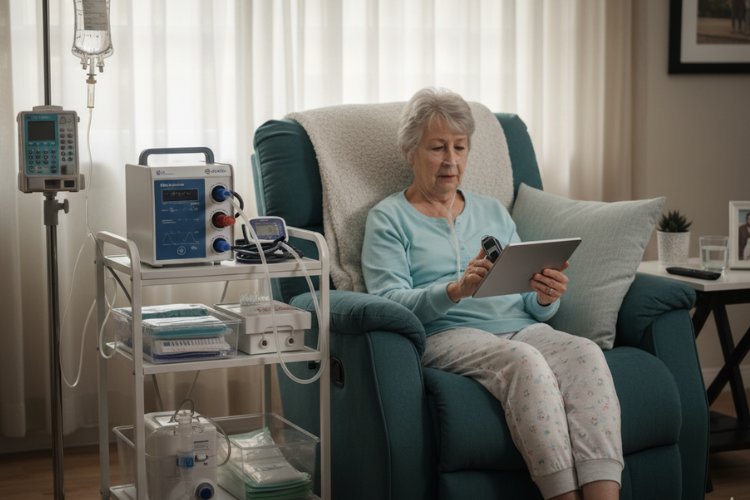
Medical equipment used at home must be reliable, easy to use, and properly installed. DME setup for home healthcare ensures that devices are assembled correctly and ready for daily use. Many patients rely on this equipment for mobility, breathing support, or physical recovery, which means even small setup errors can affect safety and performance.
Professional technicians understand the technical requirements of each device. They assemble the equipment according to manufacturer guidelines and test it before the patient begins using it. During DME setup for home healthcare, they also evaluate the patient’s physical needs and make adjustments to ensure the equipment provides the right level of support.
Another important aspect of DME setup for home healthcare is the assessment of the home environment. Technicians often look at room layout, accessibility, and available space to determine the best placement for each device. This careful evaluation helps create a safer environment for both patients and caregivers.
How Professional DME Setup Improves Safety at Home?
Patient safety is one of the biggest reasons healthcare providers recommend professional DME setup. Medical equipment must be installed correctly to prevent accidents or equipment malfunctions.
Proper Equipment Installation
During professional DME setup, technicians carefully assemble each component of the equipment. They follow manufacturer instructions to ensure the device operates as intended. Incorrect assembly can lead to unstable equipment or mechanical issues, which could put the patient at risk.
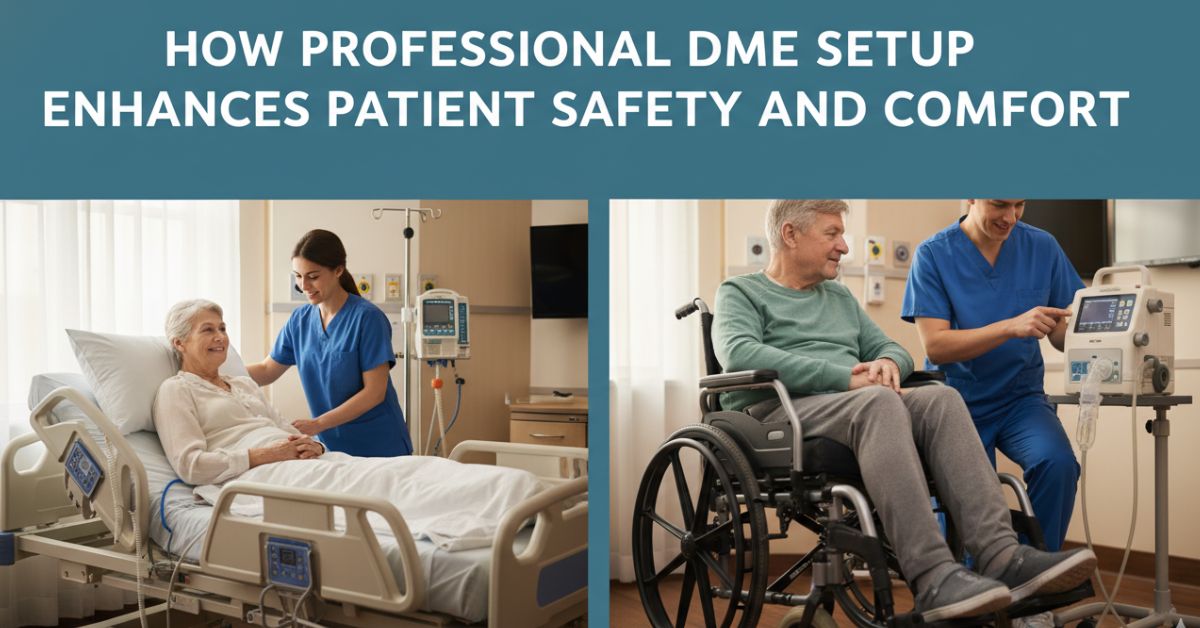
For example, hospital beds must be properly balanced and securely positioned. Wheelchairs require the correct adjustment of brakes, footrests, and seating positions. By performing a professional installation, technicians ensure the equipment is stable and safe for everyday use.
Reducing the Risk of Falls
Patients who use home medical equipment often have mobility challenges or are recovering from injuries. Improperly adjusted devices may increase the risk of falls or strain. During professional DME setup, technicians adjust equipment height, positioning, and support features to match the patient’s physical needs.
For instance, walkers and wheelchairs must be adjusted according to the patient’s height. If the equipment is too high or too low, it can affect posture and balance. Proper adjustments significantly reduce the risk of accidents and injuries at home.
Ensuring Equipment Works Correctly
Testing equipment is another important step in a professional DME setup. Technicians check electrical components, mechanical parts, and safety features before leaving the patient’s home. This process helps ensure the device functions properly and consistently.
Medical devices such as oxygen concentrators or CPAP machines must operate reliably. A professional installation reduces the chance of malfunction and ensures the patient can depend on the equipment when they need it most.
Creating a Safe DME Setup at Home
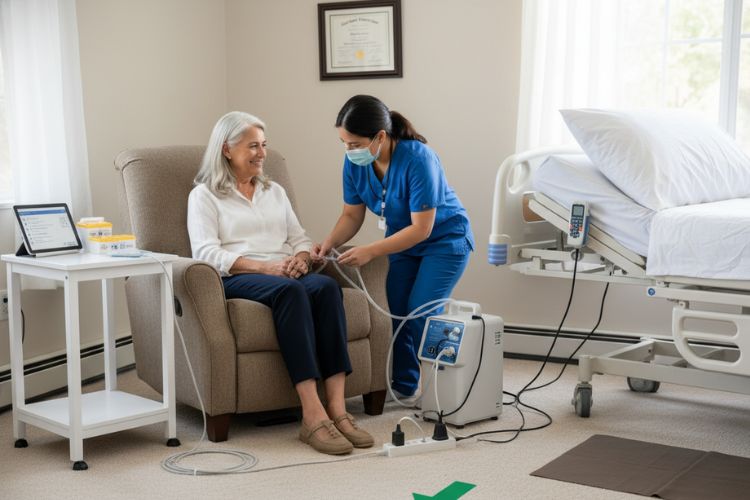
Creating a safe DME setup at home goes beyond simply installing the equipment. It involves carefully placing devices in locations that support easy access and reduce potential hazards.
For example, mobility equipment should be placed in areas with enough space for movement. Obstacles such as loose rugs, tight corners, or clutter can make navigation difficult for patients using walkers or wheelchairs. During installation, technicians often recommend simple adjustments to improve safety.
A safe DME setup at home also considers electrical safety. Equipment that requires power, such as oxygen devices or adjustable beds, must be connected to stable outlets and positioned away from potential hazards. Another key element of a safe DME setup at home is ensuring caregivers can easily assist the patient. Proper positioning of hospital beds or patient lifts allows caregivers to help with transfers and repositioning without unnecessary strain.
The Role of Home Healthcare Equipment Setup in Patient Comfort
Safety is essential, but comfort is equally important for patients who use medical equipment daily. Proper home healthcare equipment setup helps ensure that devices provide the right support and ease of use.
Personalized Adjustments for Comfort
During home healthcare equipment setup, technicians adjust devices according to the patient’s body type, mobility level, and medical condition. These personalized adjustments can make a significant difference in the patient’s comfort.
Wheelchairs, for example, may require adjustments to seat depth, armrests, and footrests. Hospital beds can be configured to support better sleeping positions or assist patients who need frequent repositioning.
Supporting Long-Term Equipment Use
Many patients rely on medical devices for long periods of time. Proper home healthcare equipment setup ensures the equipment supports the patient’s posture and physical needs over time.
Correct positioning helps prevent muscle strain, pressure points, and discomfort during daily use. For patients with chronic conditions or limited mobility, these adjustments can significantly improve their quality of life.
Making Equipment Easy to Use
Another advantage of a professional home healthcare equipment setup is that it simplifies equipment operation. Controls are adjusted so patients and caregivers can easily access them.
Technicians also demonstrate how to operate the equipment, including adjusting bed positions, using mobility devices, or managing breathing equipment. This guidance helps patients feel more confident and comfortable using their devices.
The Value of Professional DME Delivery and Setup Services
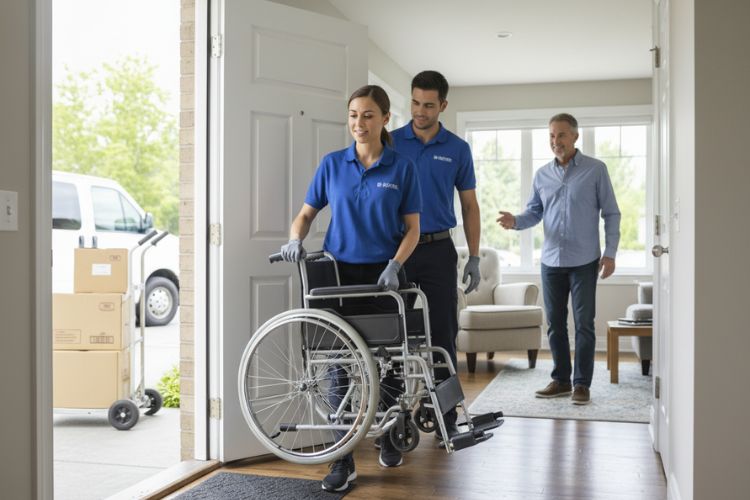
When patients receive medical equipment at home, it is important that the installation process is handled by trained professionals. A reliable DME delivery and setup service ensures the equipment arrives safely and is installed correctly from the start.
Professionals delivering medical equipment typically perform a full inspection before installation. They check the condition of the device, assemble it, and confirm that it operates properly. This process helps prevent problems that could arise from incorrect installation.
In addition to the technical setup, professionals often provide instructions on cleaning, maintenance, and safe usage. Patients and caregivers learn how to manage their equipment effectively, which reduces confusion and improves overall safety.
A dependable DME delivery service also helps healthcare providers ensure that patients receive the correct equipment according to their prescriptions and treatment plans.
Supporting Independence with Home-Based Medical Equipment
For many patients, home based medical equipment allows them to live more independently while still receiving necessary care. Equipment such as mobility aids, oxygen devices, and adjustable beds helps patients perform daily tasks with greater ease.
However, the benefits of home-based medical equipment depend heavily on proper setup and adjustment. When equipment is installed professionally, patients can use it safely and comfortably without unnecessary complications.
A professional setup also gives patients the confidence to rely on their equipment. Knowing that devices are properly installed and functioning correctly helps reduce stress and allows patients to focus on recovery and daily activities.
Conclusion
Professional installation plays a vital role in ensuring that medical equipment used at home is both safe and comfortable. Through careful installation, personalized adjustments, and proper guidance, professional DME setup helps patients receive the full benefits of their equipment.
From improving mobility and reducing fall risks to enhancing comfort and ease of use, professional setup supports better outcomes for patients receiving care at home. When combined with a reliable DME delivery service, patients can safely use home-based medical equipment in an environment that promotes recovery, independence, and long-term well-being.
FAQs
What is DME in home healthcare?
DME stands for Durable Medical Equipment, which includes medical devices patients use regularly at home. Examples include hospital beds, wheelchairs, walkers, oxygen concentrators, and CPAP machines that help patients manage health conditions and daily activities safely.
Why is a professional DME setup important?
A professional setup ensures the equipment is installed correctly and adjusted to the patient’s needs. Proper installation improves safety, prevents equipment problems, and makes the device easier for patients and caregivers to use.
Can patients install DME equipment themselves?
Some basic equipment may be simple to assemble, but many medical devices require correct adjustments and safety checks. Professional setup helps ensure the equipment works properly and is safe to use.
What equipment usually requires professional setup?
Devices such as hospital beds, oxygen systems, CPAP machines, patient lifts, and mobility equipment often require professional installation to ensure they function safely and correctly.
Do technicians explain how to use the equipment?
Yes, technicians usually demonstrate how the equipment works, how to adjust it, and how to maintain it. This helps patients and caregivers use the device safely and confidently.