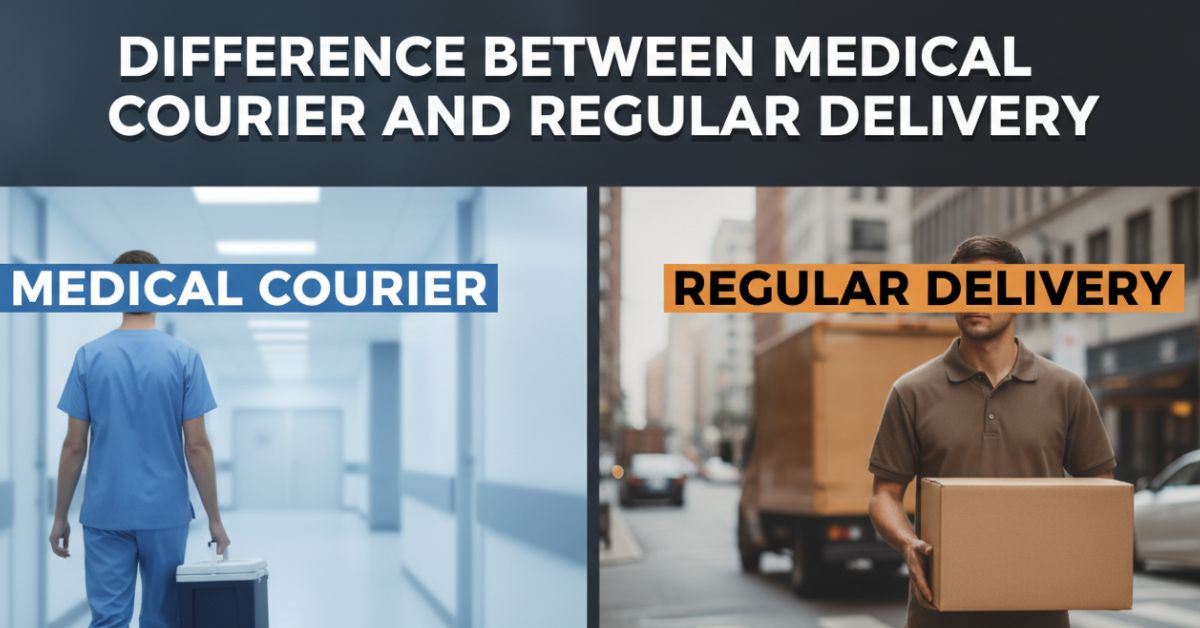
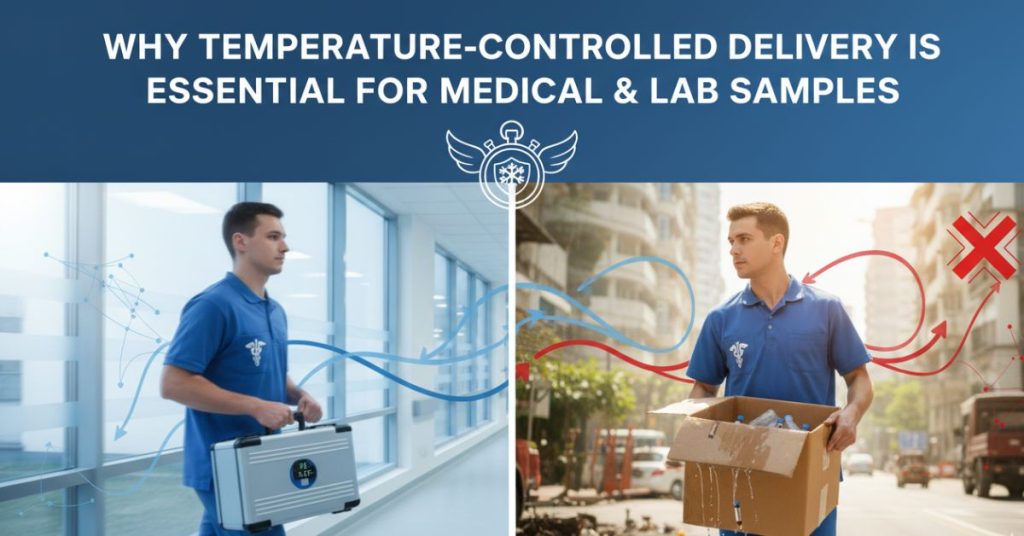
Ensuring the safe transport of medical and lab samples is not just about speed. Many biological and chemical samples are extremely sensitive to temperature changes, and even a small fluctuation can ruin months of work or crucial patient data. This is where temperature-controlled medical delivery becomes a lifesaver. By keeping samples at the correct temperature from pickup to drop-off, healthcare providers, labs, and research facilities can maintain sample accuracy and reliability.
Understanding Temperature-Sensitive Medical & Lab Samples
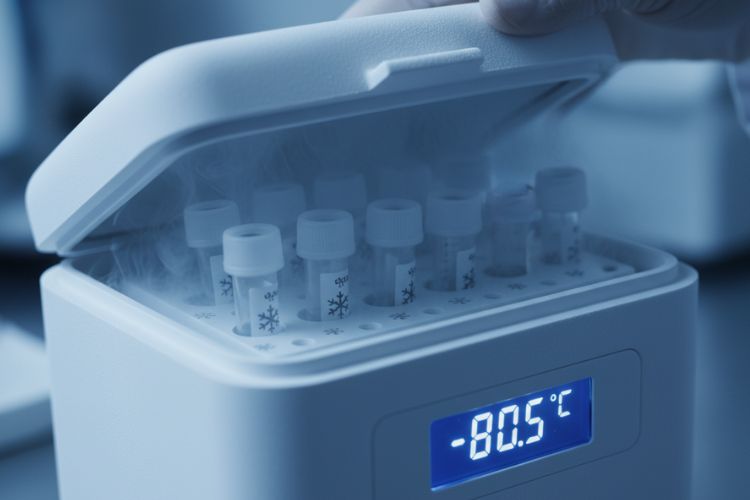
Not all medical samples are the same. Blood, vaccines, tissue samples, and certain reagents all need to stay within very specific temperature ranges to stay usable. If they get too hot or too cold, they can go bad quickly, which can lead to wrong test results or wasted materials. Labs often have to deal with these delicate substances carefully, which is why clinical sample temperature control is so important.
Take vaccines, for instance. They can lose their effectiveness if they sit outside their recommended temperature for just a few hours. Frozen tissue samples are another example. They can become useless if they thaw while being transported. Knowing how sensitive these samples are is the first step in keeping them safe and reliable.
Risks of Improper Sample Transportation
When samples aren’t handled correctly, the consequences can be severe. A blood sample that heats up during transit could give inaccurate lab results, which may affect a patient’s diagnosis and treatment. Contaminated or spoiled samples can also slow down research projects, leading to lost time and increased costs.
Hospitals and labs must follow strict protocols to avoid these risks. Mishandling can also result in regulatory fines and loss of accreditation. Using professional refrigerated medical courier services helps minimize these risks by keeping samples at the right temperature throughout the journey.
What Is Temperature-Controlled Delivery?
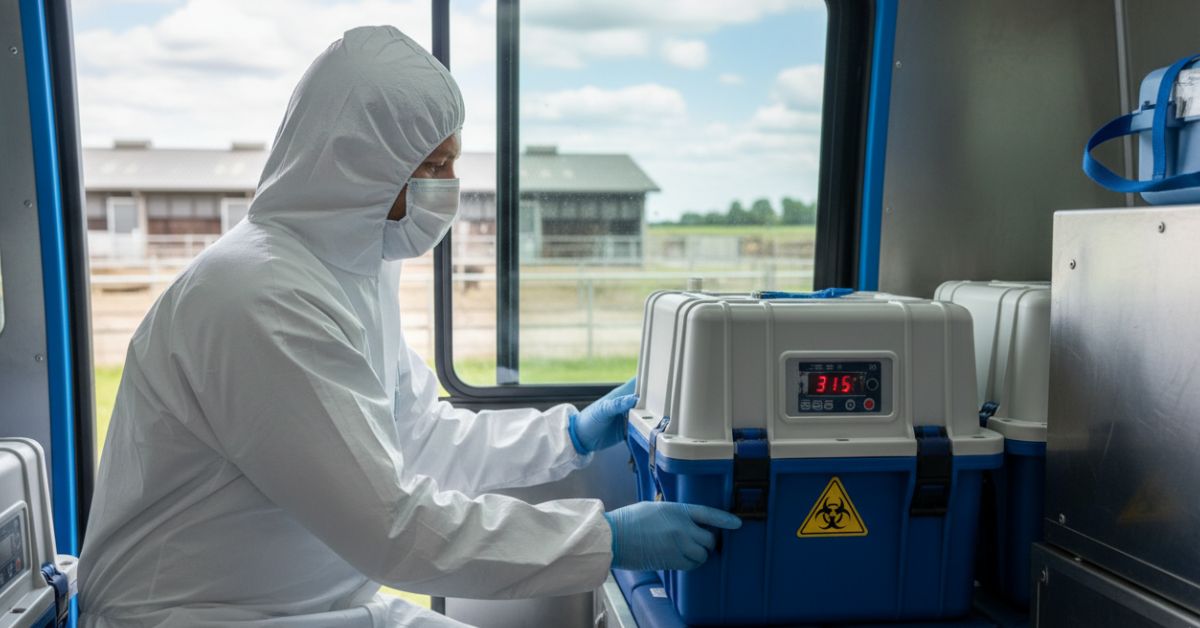
Temperature-controlled delivery refers to the careful handling of sensitive medical or lab items to ensure they remain within a specified temperature range from origin to destination. This involves using refrigerated vehicles, insulated packaging, or dry ice, depending on the type of sample.
Unlike standard couriers, temperature-control logistics solutions guarantee that the samples do not experience harmful temperature swings. These systems often include monitoring devices that track temperature in real time, ensuring that any deviation can be addressed immediately. Professional services also provide documentation that shows compliance with healthcare regulations.
How Temperature-Controlled Delivery Ensures Sample Integrity?
Maintaining the right temperature is essential to prevent sample degradation. Proteins, enzymes, and cells in medical samples are highly sensitive to heat and cold. Even a brief exposure to unsuitable conditions can compromise results.
By relying on medical sample integrity logistics, labs and hospitals can rest assured that the samples they receive are accurate and usable. Temperature-controlled delivery ensures samples stay within safe ranges, preserving their biological and chemical properties. This is particularly important for time-sensitive tests or research that depends on precise data.
Technologies and Best Practices in Temperature-Controlled Transport
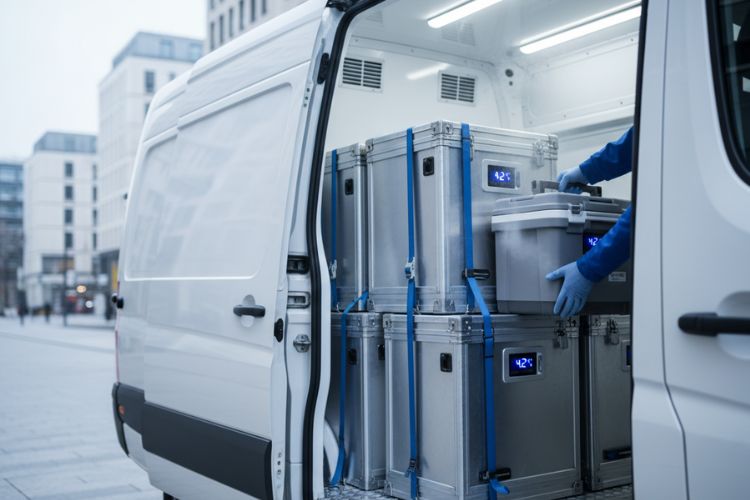
Modern medical logistics uses a variety of tools to keep samples safe. Data loggers track temperature throughout the trip, and insulated containers protect against sudden environmental changes. Refrigerated vans or trucks are often equipped with climate control systems that automatically adjust to maintain the desired temperature.
Staff involved in handling samples are trained to check packaging, secure shipments, and follow protocols that reduce the chance of human error. By implementing these strategies, medical cold chain logistics becomes a reliable and efficient process.
Regulatory and Compliance Requirements
When it comes to temperature-sensitive samples, you can’t just wing it because there are strict rules to follow. Organizations like the FDA, WHO, and ISO lay out exactly how samples should be packed, labeled, and shipped. Often, you’ll need to keep temperature logs as proof that everything was handled properly.
Skipping these steps can lead to legal trouble and hurt an organization’s reputation. That is why professional couriers like WAY Medical Courier Service step in to handle all the paperwork and regulations, making the whole process smooth and stress-free for labs, hospitals, and research facilities.
Benefits of Professional Temperature-Controlled Logistics
Choosing professional temperature-controlled services comes with many advantages. First, it improves the reliability of test results, which is crucial for patient care. Second, it reduces waste by preventing spoiled samples. Third, it ensures faster delivery, allowing labs to process samples promptly.
Employees can concentrate on their main tasks instead of worrying about logistics by using refrigerated medical courier services. Many healthcare facilities favor professional services over conventional courier options because of their efficiency, accuracy, and dependability.
The Bottom Line
For the healthcare and research industries, temperature-controlled delivery is essential, not just a convenience. Maintaining the proper temperature for medical samples guarantees dependability and safety in everything from patient sample preservation to clinical test accuracy. Investing in temperature-controlled medical delivery ensures that hospitals, research facilities, and labs can run smoothly and confidently, knowing that their priceless samples are handled carefully.
FAQs
Why is temperature-controlled delivery crucial?
It maintains the accuracy and safety of medical samples, such as blood or vaccines. They can be spoiled by even slight temperature changes.
How do medical courier services that are refrigerated operate?
To keep samples safe while in transit, they employ temperature monitors, climate-controlled vehicles, and insulated packaging.
Can shipments over long distances remain secure?
Yes, even on lengthy trips, skilled providers keep the cold chain intact from pickup to delivery.
What happens if a sample is out of range?
Couriers promptly inform the sender. After that, labs can choose whether to retest or throw away the sample.
How often should temperature be monitored during delivery?
Temperature should be tracked continuously with data loggers or monitoring devices. This ensures any fluctuations are caught immediately, keeping samples safe and compliant.