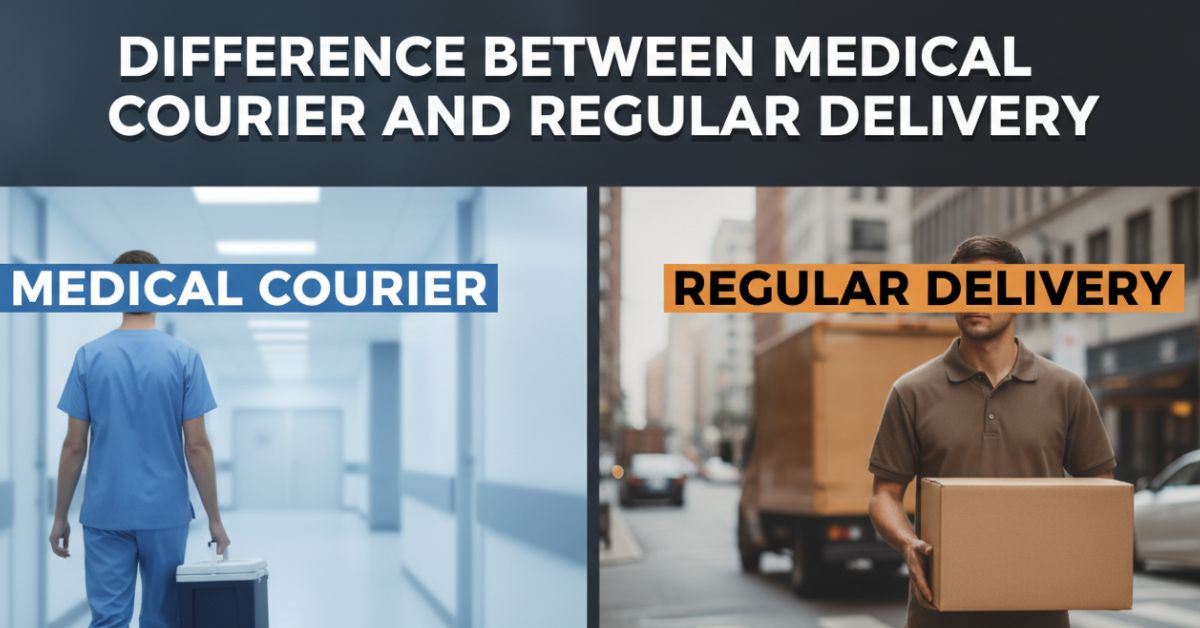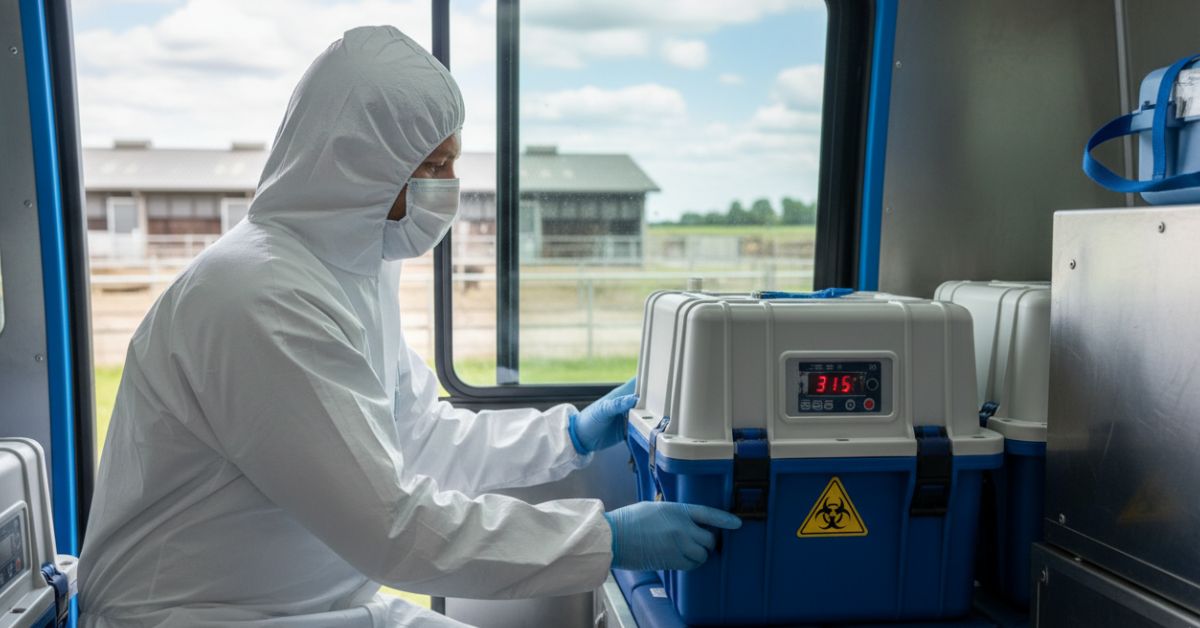
Veterinary transportation is not the same as standard package delivery. Every day, veterinary clinics, laboratories, and animal hospitals send medical items that must be handled carefully and delivered on time. These shipments often include diagnostic samples, medications, vaccines, and emergency supplies.
A small mistake during transport can damage samples, delay treatment, or increase the risk of contamination. That is why trained couriers play an important role in animal healthcare. Professional veterinarian courier teams understand how to handle sensitive medical materials safely while following strict safety procedures.
Today, many healthcare providers rely on specialized veterinary logistics systems to keep operations running smoothly and protect both animals and staff.
The Growing Importance of Biosecure Veterinary Transport
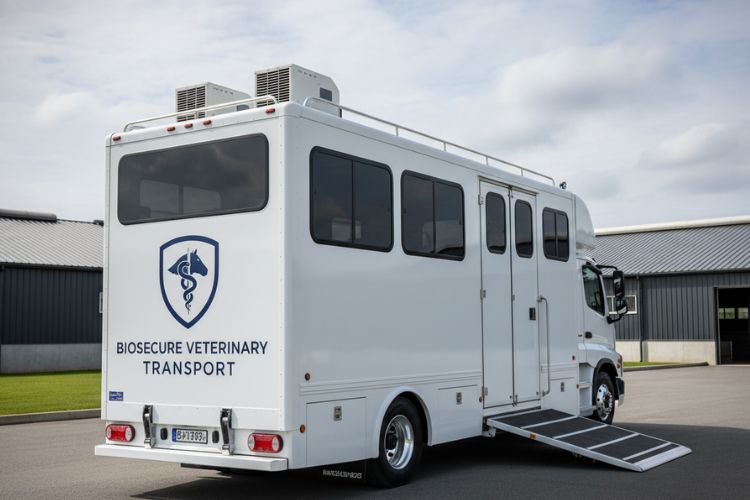
Animal healthcare has changed a lot in recent years. Veterinary clinics now work closely with laboratories, research centers, farms, and emergency animal care facilities. Because of this, the need for safe and reliable transportation has increased. Medical materials move between locations daily and require careful handling to avoid delays or contamination.
Nowadays, many clinics are sending their samples for further analysis. At the same time, emergency interventions need rapid delivery of drugs, vaccines, and surgical equipment. Consequently, biosecure transport is becoming one of the integral aspects of contemporary veterinary practice. There are a lot of companies that provide professional delivery services for veterinarians.
There is also an increased demand for biosecure transport caused by disease prevention programs. Many laboratories receive infectious samples that should be transported with appropriate safety measures.
What Veterinary Couriers Transport Every Day
Veterinary couriers handle many types of medical shipments daily. Each delivery requires proper handling and careful coordination.
Blood and Diagnostic Samples
Blood samples, urine samples, and tissue specimens are often transported to laboratories for testing. These materials must remain stable during transit so veterinarians can receive accurate results.
This is where proper veterinary specimen transport becomes essential. Samples often require temperature control and secure packaging to prevent damage.
Vaccines and Prescribed Medicines
There are many drugs and vaccines that may be heat-sensitive. The courier needs to know the temperature conditions and time limits for the effectiveness of the drug.
Lab Testing Materials
Laboratories regularly exchange testing materials, slides, cultures, and research samples. Delays or contamination can affect testing accuracy and slow down patient care.
Surgical and Emergency Supplies
Sometimes, animal clinics require an urgent delivery of equipment or medical supplies. Reliable transport will help the clinic work more efficiently.
Biohazard or Infectious Materials
Some veterinary shipments contain infectious substances or hazardous materials. These deliveries require strict handling procedures and trained professionals who understand safety risks.
Why Veterinary Transportation Requires Specialized Handling
Veterinary transportation involves much more than driving from one location to another. Couriers must protect sensitive materials throughout the entire process.
Medical samples can become unusable if exposed to the wrong temperature. Poor handling can also cause leaks, contamination, or damaged packaging. In some cases, this may lead to incorrect test results or delayed treatment.
A trained veterinarian courier understands how to manage these risks. They follow biosecurity protocols and know how to transport materials safely between clinics and laboratories.
Time also matters. Some medical samples have limited stability windows. If deliveries are delayed, the sample may no longer be useful for testing.
And unlike ordinary delivery drivers, trained veterinary couriers understand the importance of the chain of custody, proper labeling, and emergency response procedures.
The Training Behind Professional Veterinary Courier Services
Professional Veterinarian Courier Services require specialized training to ensure safe and reliable transportation.
Learning Proper Biosecurity Procedures
Couriers are trained to prevent cross-contamination during transport. They learn how to safely handle containers, packaging, and medical materials while protecting clinics and laboratories from exposure risks.
Handling Sensitive Medical Materials Safely
The transportation of medical supplies needs to be done carefully. The couriers receive training on securing the delicate specimens and avoiding conditions that may harm them during transportation.
Handling of Temperature-Controlled Shipments
Temperature-controlled shipments include most of the veterinary products. The drivers are trained on the proper use of cooling systems and monitoring tools.
Preventing Contamination During Transit
Biosecure transport focuses heavily on contamination prevention. Couriers follow cleaning and sanitation procedures to reduce health risks.
Following Transportation and Safety Regulations
Medical transportation involves rules and safety guidelines. Professional couriers learn how to meet transportation standards and maintain proper documentation.
Handling Delivery Emergencies Professionally
Unexpected situations can happen during transit. Drivers may face traffic delays, damaged packaging, or equipment issues. Training helps couriers respond quickly while protecting the shipment.
What Can Go Wrong Without Proper Courier Training
When medical transportation is handled incorrectly, serious problems can happen.
Contaminated Samples
Improper handling may expose samples to bacteria or outside contaminants. This can affect laboratory results and create additional testing delays.
Compromised Test Results
Poor temperature control or rough handling may damage samples before they reach the lab. Inaccurate test results can lead to incorrect treatment decisions.
Delayed Animal Treatment
Late deliveries may slow diagnosis and treatment for sick animals. In emergency situations, timing can directly affect patient outcomes.
Increased Risk of Disease Spread
Unsafe handling of infectious materials may increase exposure risks for veterinary staff, laboratories, and other facilities.
Safety Risks for Clinics and Laboratories
Leaking containers or damaged packaging can create dangerous situations inside clinics and labs. Proper training helps reduce these risks.
How Trained Couriers Help Veterinary Facilities Operate Smoothly
The efficient functioning of veterinary clinics requires efficient transportation services on a daily basis. Trained couriers ensure that the communication lines remain clear between different facilities. Reliable veterinary logistics support allows veterinarians to focus more on patient care instead of worrying about transportation problems.
An efficient courier will also enable the laboratories to analyze the samples in less time. This will help the laboratories make decisions regarding the treatments in less time. Many animal hospitals rely on professional veterinary supply delivery services to ensure the timely arrival of drugs, vaccines, and surgical equipment.
The Role of Technology in Biosecure Transportation

The technology has ensured the security and efficiency of animal transportation. The real-time tracking systems help the clinics and labs track the shipments on their way and know what is happening in terms of the status of the shipment.
Temperature control devices are necessary when transporting certain medical specimens. Most of the modern transport containers are equipped with temperature control devices to ensure that the right temperatures are maintained while delivering the specimen. Packaging techniques have also advanced.
Digital documentation has made delivery tracking more accurate and organized. Facilities can now monitor records, verify deliveries, and maintain better accountability. Some providers are also adopting Green veterinary transport solutions to reduce waste and improve delivery efficiency.
Facilities That Depend on Veterinary Courier Services
- Diagnosis and treatment facilities use secure transport services to send out their diagnostic samples as well as receive medications and vaccines.
- Laboratories conducting tests and research require reliable transport services in order to maintain the accuracy of their tests and receive samples.
- Animal emergency units may need the timely delivery of various products for surgery and other treatments.
- Other areas that may require secure transport include livestock and agricultural farms.
- Many of these organizations work closely with experienced veterinary delivery services to maintain smooth and reliable operations.
What Makes a Reliable Veterinary Courier Service
Not all courier services can handle the transportation of biological materials. A good veterinary courier service is expected to have the following qualities:
- Experience in the transportation of medical specimens
- Effective biosecurity measures
- A fast and reliable system of delivery
- Temperature-controlled transportation systems
- Staff who have knowledge about veterinary transport processes
- Good communication and tracking of packages
A professional veterinary specimen transport service understands the significance of precision and contamination control.
Conclusion
Veterinary transportation is an essential part of modern-day animal care. From transporting laboratory samples to delivering emergency medications, such activities call for caution and proper safety measures.
Courier training ensures sample integrity, minimizes contamination possibilities, and enables faster decision-making when necessary. If the right measures are not taken, the consequences could be felt by clinics, labs, and animals.
As veterinary healthcare continues to grow, specialized veterinary logistics services will remain essential for safe and reliable medical transportation.
FAQs
Why do veterinary couriers need special training?
The veterinary courier transports biological specimens, medications, and hazardous materials that need proper handling and temperature control to avoid any contamination.
What does veterinary specimen transport mean?
It is the process of transferring laboratory samples like blood, tissues, and others from one laboratory to another clinic.
What are some of the materials that veterinary couriers deliver?
They include blood samples, medication, vaccines, surgical tools, diagnostic materials, and hazardous substances.
Why is temperature control necessary in veterinary transportation?
This is because many samples and medications can be easily damaged by improper temperature control in transport.
How do veterinary courier services support animal healthcare?
Professional courier services help clinics and laboratories receive materials safely and on time, which supports faster diagnosis and treatment.