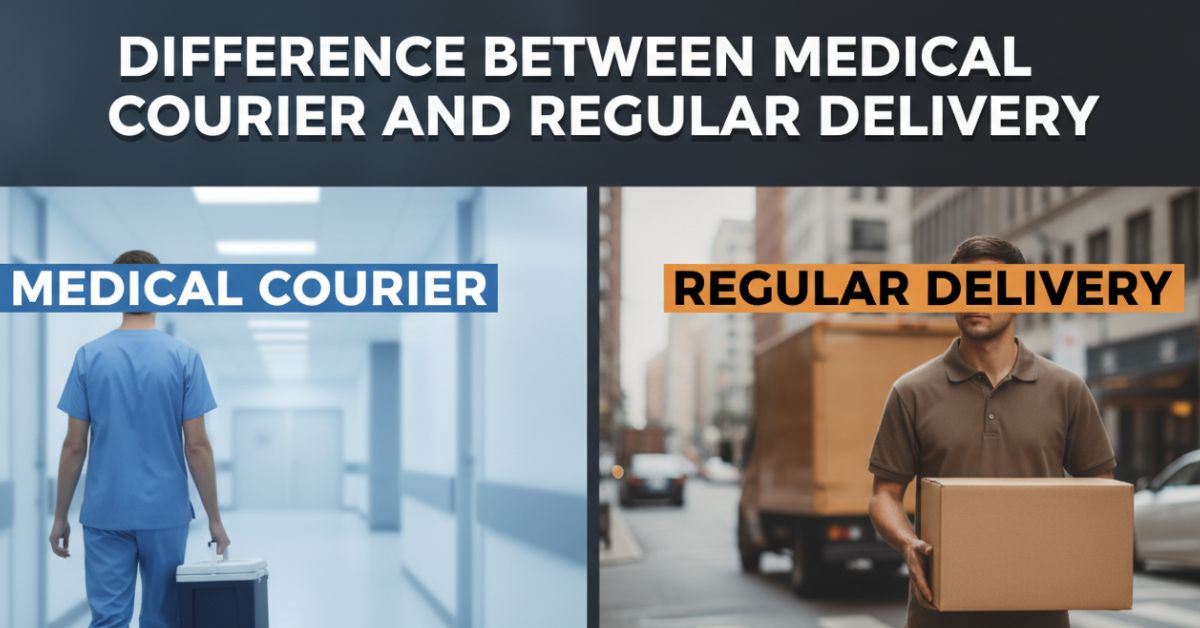
A package is a package until it contains something that could affect a person’s health. A box of office supplies and a blood sample might look similar from the outside, but they require completely different handling. That is why the discussion around medical courier vs regular courier services matters for hospitals, laboratories, and healthcare providers.
A standard delivery company focuses on moving everyday goods from one place to another. Medical couriers, on the other hand, transport sensitive items that often have strict temperature limits, legal requirements, and time constraints. Understanding the difference helps organizations choose the right service for the job.
What Is a Medical Courier?
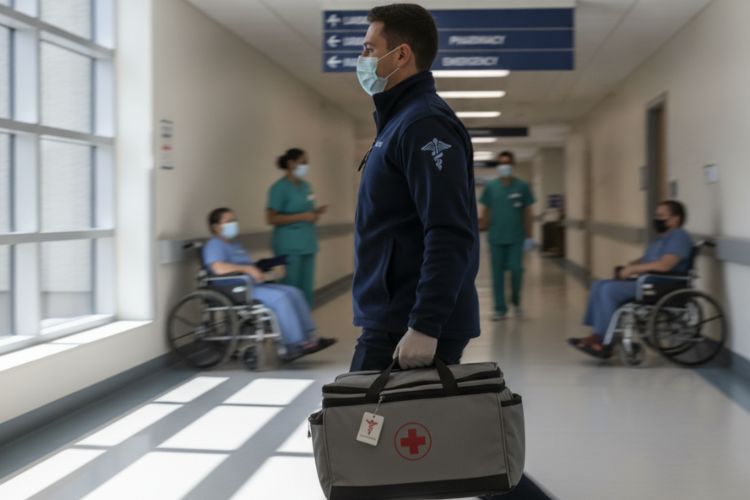
Medical courier refers to an entity that specializes in the delivery of healthcare-related items from one place to another in a safe and secure manner. Examples of such items include biological samples, medicines, blood products, medical devices, and pathology samples.
Unlike ordinary couriers who deliver other types of goods, medical couriers adhere to strict delivery processes to ensure the safety of such sensitive items during transport.
What Is a Regular Delivery Service?
Courier firms deal with deliveries of consumer goods, business goods, clothes, electronic items, documents, furniture, and retail items. The purpose is to ensure efficient handling of packages by catering to various customers.
This type of service works well for everyday deliveries, but it is not always designed for healthcare shipments that require controlled handling or specialized documentation. That distinction is one of the biggest points in the medical courier vs standard delivery comparison.
Key Differences Between Medical Couriers and Regular Delivery
Several factors separate healthcare transportation from ordinary parcel services. Looking at these differences makes the comparison between Regular Couriers and Medical Couriers much clearer.
Type of Items Transported
Medical couriers carry products that can directly affect patient care. This includes diagnostic samples, vaccines, medications, surgical supplies, blood components, and organs in some cases.
Regular couriers usually transport online purchases, office equipment, household goods, and business packages. The difference in cargo is one reason the medical courier vs regular courier debate cannot be reduced to speed alone.
Handling and Packaging Requirements
Some healthcare shipments have to be shipped in insulated shipping containers or temperature-controlled packages to ensure that they are protected. Some biological materials will require a chain of custody record.
Businesses that rely on specialized medical equipment shipping often choose medical couriers because they understand how delicate and valuable these devices can be. A standard parcel network may not offer the same level of handling.
Compliance and Regulations
Medical deliveries often involve privacy rules, safety standards, and industry regulations that do not apply to ordinary packages. Couriers may receive training related to HIPAA, OSHA practices, hazardous materials, and specimen handling.
Regular delivery companies mainly follow transportation and shipping regulations for commercial goods. This creates another clear distinction in the medical courier vs standard delivery comparison.
Delivery Speed and Time Sensitivity
There are certain medical items that cannot be delivered the next day. The delay in the delivery of specimens may mean a delay in diagnosis, and medicines can impact patient care.
Medical couriers offer services of regular route deliveries as well as stat deliveries. Regular delivery services normally operate under broader delivery time frames.
Staff Training
The personnel who work in healthcare logistics are usually provided training in the areas of packing, contamination, documentation, and emergencies.
On the other hand, drivers employed by standard parcel delivery services undergo training for handling general cargo deliveries. This shows how Regular Couriers and Medical Couriers are different from each other.
Tracking and Documentation
Hospitals often need documentation proving which person moved the shipment and when. It ensures accountability of the transportation process. Many providers also depend on advanced specimen tracking solutions so laboratories know exactly where sensitive samples are during transit. Standard package tracking is useful, but it may not provide the same level of detail required for medical operations.
Why Medical Facilities Need Specialized Courier Services?
Hospitals and laboratories cannot risk any delay or change in the condition of materials during their transfer because that can have negative implications for patients’ well-being.
Dedicated medical transportation helps preserve specimen quality, reduce processing delays, and support accurate testing. It also gives healthcare teams confidence that important deliveries will arrive as expected.
Risks of Using Standard Delivery for Medical Shipments
Choosing the wrong transportation method can create unnecessary problems. A package left in excessive heat or delivered late may no longer be usable.
Some of the potential dangers include late diagnosis, contaminated sample collection, damaged medicines, regulations, and interruption of patient care. This is why some institutions have chosen medical couriers over conventional couriers who cater to healthcare requirements.
Common Items Transported by Medical Couriers
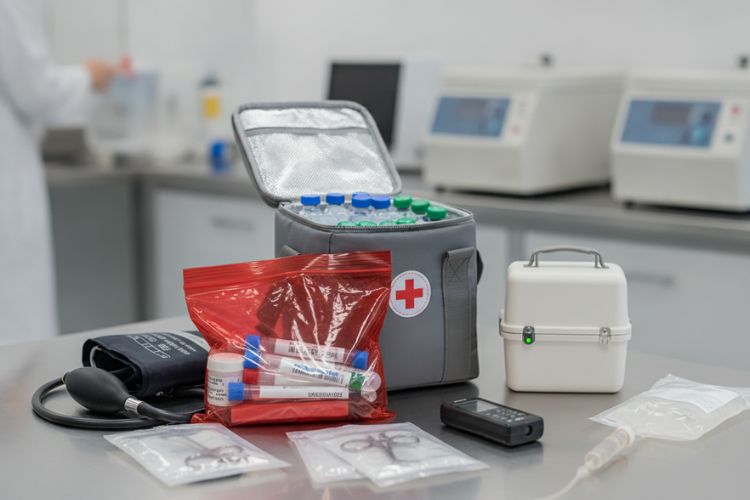
Medical couriers move a wide variety of healthcare materials every day, including.
- Laboratory specimens
- Blood and blood components
- Prescription medications
- Vaccines
- Pathology samples
- Surgical instruments
- Diagnostic materials
- Durable medical equipment
Each shipment requires careful handling based on its contents and destination.
When Should You Choose a Medical Courier Instead of a Regular Delivery Service?
Medical courier services are often the better choice whenever timing, compliance, or product integrity is critical.
Healthcare providers, blood banks, diagnostic laboratories, veterinary clinics, research centers, and pharmacies commonly depend on specialized transportation. In these situations, the advantages of medical courier vs regular courier services become especially clear because patient care may depend on reliable delivery.
How Reliable Medical Logistics Improves Patient Care?
Good transportation supports healthcare behind the scenes. Test results arrive sooner, medications reach the right location, and healthcare professionals spend less time dealing with avoidable delays.
Strong Medical Logistics Services also improve communication between facilities and reduce disruptions across the supply chain. That efficiency ultimately benefits patients waiting for answers or treatment.
Last Words
Not every delivery has the same level of responsibility. While traditional courier services are suitable for everyday parcels, healthcare shipments often require stricter procedures, faster turnaround times, and careful oversight from pickup to drop off. That is why the difference between medical courier vs regular courier services matters so much.
For hospitals, laboratories, and clinics moving sensitive materials, working with an experienced provider can make daily operations smoother and more reliable. Companies like WAY M.C.T Logistics specialize in healthcare transportation with an emphasis on secure handling, regulatory standards, and timely service, helping medical facilities move important items with confidence.
FAQs
Can ordinary couriers deliver specimens?
Some couriers can deliver healthcare shipments, while others need special treatment and packaging provided by medical couriers.
Can medical couriers handle urgent deliveries?
Yes. Numerous courier services provide urgent or STAT deliveries for urgent medical conditions.
Do medical couriers have temperature-controlled vehicles?
Yes. Temperature control is essential for transporting medication and biological materials.
Why is the chain of custody significant?
It shows how all shipments were handled during their transportation.
Are medical couriers more secure than ordinary couriers?
Medical couriers usually offer extra security when delivering healthcare products.