
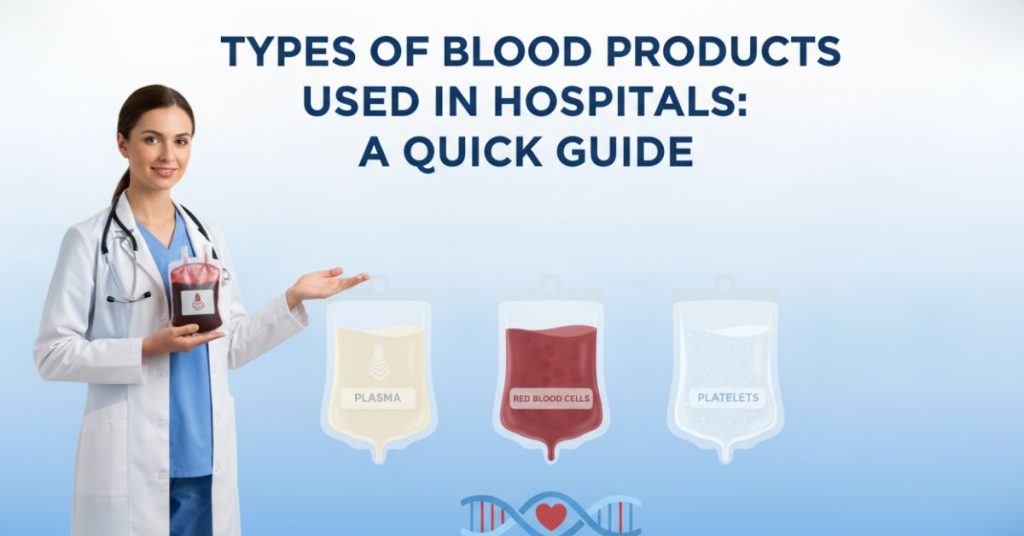
Blood transfusions are often associated with donating or receiving whole blood, but that is not how most hospitals work today. In many cases, patients are given only the specific blood component they need. This helps doctors provide more precise care while making every blood donation go further.
Learning about the different types of blood products can make medical treatments easier to understand, especially if you or a loved one is preparing for surgery or managing a health condition. Red blood cells, plasma, platelets, and other components each serve a different purpose.
Some help restore oxygen after blood loss, while others support clotting or strengthen the immune system. By matching the right product to the right situation, healthcare teams can deliver safer and more effective treatment.
What Are Blood Products?
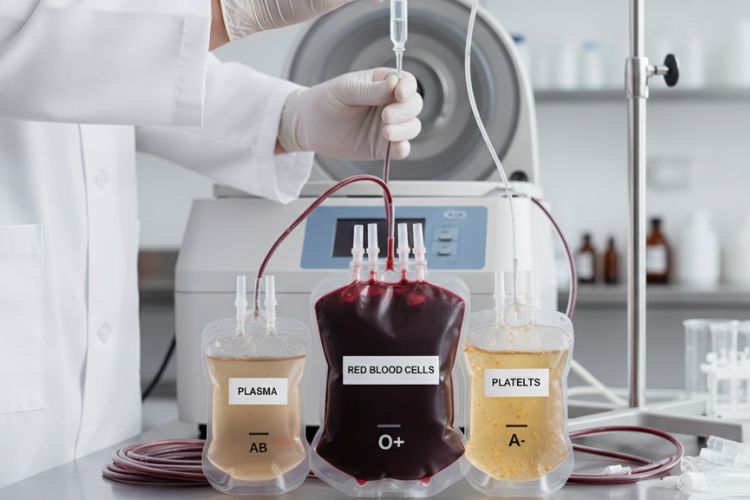
Blood products are those elements that have been isolated from the donor’s blood or made from the plasma. Rather than administering whole blood to each individual, the hospitals separate the donated blood into various elements like red blood cells, plasma, and platelets.
Using individual components is more efficient because one donation may help several patients with different conditions. It also reduces unnecessary exposure to blood elements that a patient may not need.
Red Blood Cells and Why They Matter
Among the most common types of blood products, packed red blood cells are used to restore the body’s oxygen-carrying capacity. They are often given to people with severe blood loss, chronic anemia, or after major operations.
A person who has recovered from an accident might require red blood cells alone instead of receiving a whole blood transfusion. This specific therapy will help improve oxygen distribution without unnecessary additions to the system.
Platelets and Their Role in Clotting
Platelets are tiny cell fragments that help stop bleeding by forming clots. Patients with certain cancers, bone marrow disorders, or chemotherapy-related complications may have dangerously low platelet counts.
Doctors frequently use platelet transfusions to reduce bleeding risks before surgery or after medical treatments. They are an important part of the blood products, and their uses are seen in hospitals every day.
Fresh Frozen Plasma
Fresh frozen plasma contains proteins and clotting factors that support normal blood coagulation. It is commonly used for patients with liver disease, severe trauma, or clotting disorders.
Unlike red blood cells, plasma mainly helps replace missing clotting proteins. It may also be given during emergency bleeding situations where doctors need to stabilize a patient quickly.
Cryoprecipitate
Cryoprecipitate is made from plasma but contains concentrated amounts of fibrinogen and other clotting factors. It is often used when patients have very low fibrinogen levels or certain inherited bleeding disorders.
Although it is not needed as often as other types of blood products, it can be lifesaving during heavy bleeding after surgery or childbirth.
Plasma Derived Therapies
Some blood-based medicines are manufactured from donated plasma and processed into specialized treatments. These products serve purposes beyond emergency transfusions.
Albumin is useful for balancing body fluids in critical cases. Immune globulin products offer antibodies to those suffering from immunodeficiencies or some forms of neurological diseases. Clotting factors help those who are affected by certain diseases, such as hemophilia.
Together, they expand the blood products list available to healthcare providers beyond traditional transfusion components.
How Doctors Decide Which Blood Product to Use
Treatment decisions depend on symptoms, laboratory findings, and the patient’s overall condition. A person with active bleeding may require platelets or plasma, while another with severe anemia may only need red blood cells.
Physicians also take into account a person’s medical history, medications, and compatibility tests before recommending a transfusion procedure. This assessment makes sure that patients receive the right products to help them recover.
In other healthcare settings, the safe blood sample transport becomes just as crucial because test results will be used to make decisions about treatment options.
Safety Measures Before a Transfusion
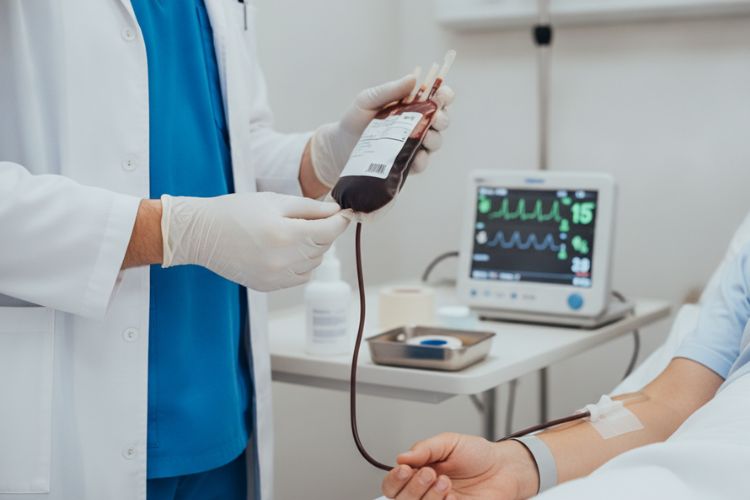
Patient safety is the first priority before any transfusion begins. Healthcare professionals carefully confirm the patient’s blood type, cross-match donor blood, review medical records, and perform multiple identity checks to make sure the correct blood product is being given. Every donated unit is also screened for infectious diseases before it reaches a hospital.
The procedure doesn’t end when the transfusion is started. There are close observations conducted by nurses and physicians about whether the patient feels pain, develops a fever, or has an adverse reaction. Normally, blood transfusions end successfully, but close observation enables medical practitioners to take instant action in case of any issues.
Common Conditions That Require Blood Products
There is no single reason someone might receive a transfusion. Different medical situations call for different treatments depending on the patient’s needs.
Some common examples include:
- Major surgeries with blood loss
- Serious injuries from accidents
- Cancer treatment and chemotherapy
- Severe anemia
- Liver disease affects clotting
- Bone marrow disorders
- Childbirth-related hemorrhage
- Inherited bleeding conditions
These examples show why understanding blood products and their uses is important for both healthcare professionals and patients.
Why Component Therapy Is Better Than Whole Blood?
Modern medicine rarely relies on whole blood because component therapy is more practical and efficient. A single donation can benefit several individuals instead of just one.
It also minimizes unnecessary transfusions by providing the patient with what he needs. For example, a person requiring help with his clotting gets plasma rather than additional red blood cells, whereas a person with anemia gets packed cells without additional plasma.
This targeted approach has become the standard in hospitals and blood banks around the world, making types of blood products an essential part of everyday patient care.
Final Thoughts
Hospitals depend on carefully selected blood components to treat everything from emergency injuries to chronic illnesses. Knowing the types of blood products, how they work, and why they are chosen helps patients better understand modern medical care. Whether someone needs red blood cells after surgery or plasma for a clotting problem, these treatments save lives every day.
It is equally important for companies dealing in logistics for the healthcare industry to be precise in the handling of blood components as much as they are accurate in their collection. Companies such as WAY M.C.T Logistics support medical facilities through specialized blood bank logistics services, temperature-controlled transportation, and reliable delivery processes that help hospitals and laboratories maintain the integrity of these life-saving products.
FAQs
What is the most commonly used blood product?
Packed red blood cells are among the most frequently transfused products because they help treat anemia and blood loss.
Can one donation help multiple people?e
Yes. Since blood is separated into components, a single donor may provide red blood cells, plasma, and platelets that support different patients.
Are blood products tested before use?
Yes. Donated blood goes through extensive screening and compatibility testing before it reaches hospitals for transfusion.
Is there a complete blood product list
The main blood products list includes red blood cells, platelets, fresh frozen plasma, cryoprecipitate, albumin, immunoglobulins, and clotting factor concentrates.
Do all patients receive the same transfusion?
No. Doctors select from the different types of blood products based on the patient’s diagnosis, laboratory results, and treatment goals.