Blood plays an essential role in modern medical care, supporting emergency treatments, surgeries, and many critical procedures. Hospitals rely on dependable blood bank transport systems to move blood safely between donation centers, laboratories, and healthcare facilities. Because blood products are highly delicate, they must be delivered quickly while staying within strict temperature limits.
But transporting blood is not just about speed. Each shipment requires careful planning, proper storage conditions, and close coordination between facilities to ensure the products remain safe to use.
Healthcare providers are also paying more attention to the environmental impact of transportation. Vehicle emissions, fuel consumption, and packaging waste can all add to the footprint of medical distribution. But many organizations are now exploring eco-friendly transport options and better delivery strategies that help reduce environmental impact while improving blood logistics efficiency.
Why Sustainability Matters in Blood Bank Logistics?

Hospitals must always be ready for the unexpected. A road accident, an emergency surgery, or a patient needing urgent care can all require blood at a moment’s notice. That is why healthcare facilities depend on reliable blood bank transport to move blood safely from donation centers to laboratories and hospitals.
But keeping blood available means deliveries are happening throughout the day. Vehicles travel back and forth between multiple facilities to maintain supply. While this keeps hospitals prepared, it can also increase fuel use and transportation costs over time.
As healthcare networks expand, many organizations are looking for better ways to manage these deliveries. Smarter route planning and cleaner vehicles can help improve healthcare transport systems while supporting more responsible sustainable logistics practices.
Environmental Challenges in Traditional Blood Transport
Behind every successful delivery is a transportation system working around the clock. In many cases, these systems still depend on fuel-powered vehicles that travel between hospitals, testing laboratories, and storage facilities. When deliveries are not planned efficiently, vehicles may take longer routes or make extra trips, which increases fuel usage and adds pressure on the environment.
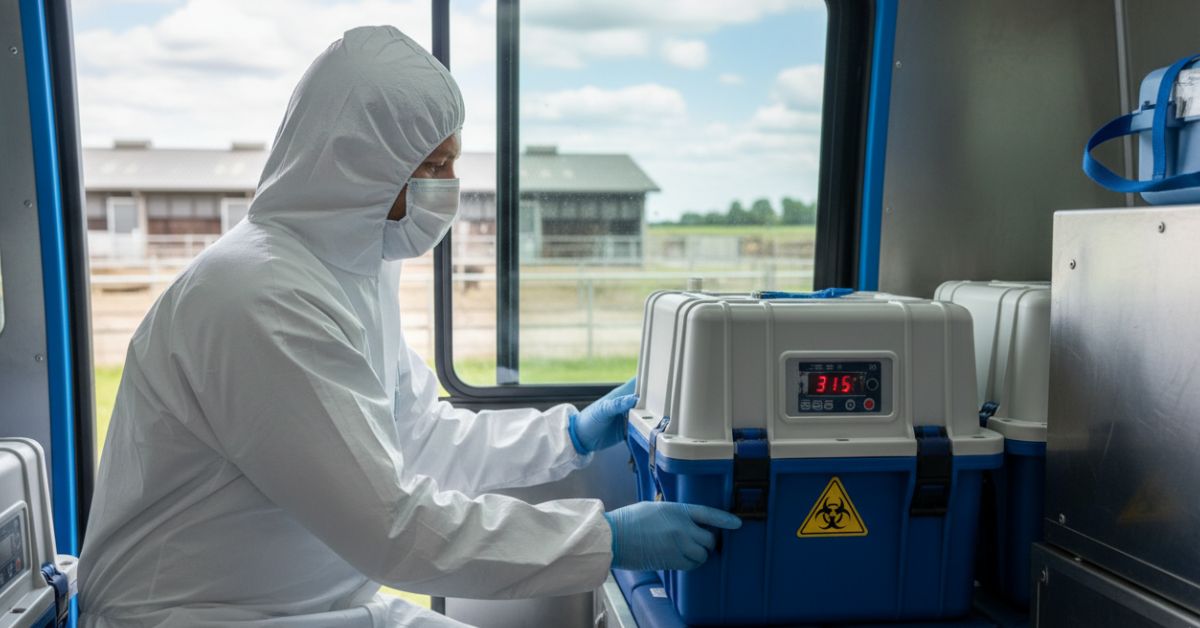
Temperature control is another challenge logistics teams deal with every day. Blood products must remain within strict temperature limits during transit to stay safe for medical use. To keep conditions stable, shipments often rely on cooling packs, insulated containers, and refrigeration equipment.
While these tools protect the blood, they can also increase energy consumption and packaging waste. Because of this, healthcare providers are starting to look for better ways to manage deliveries. Small changes in transportation planning and equipment can go a long way in reducing environmental impact while keeping blood bank transport dependable and safe.
Eco-Friendly Transportation Approaches for Blood Logistics
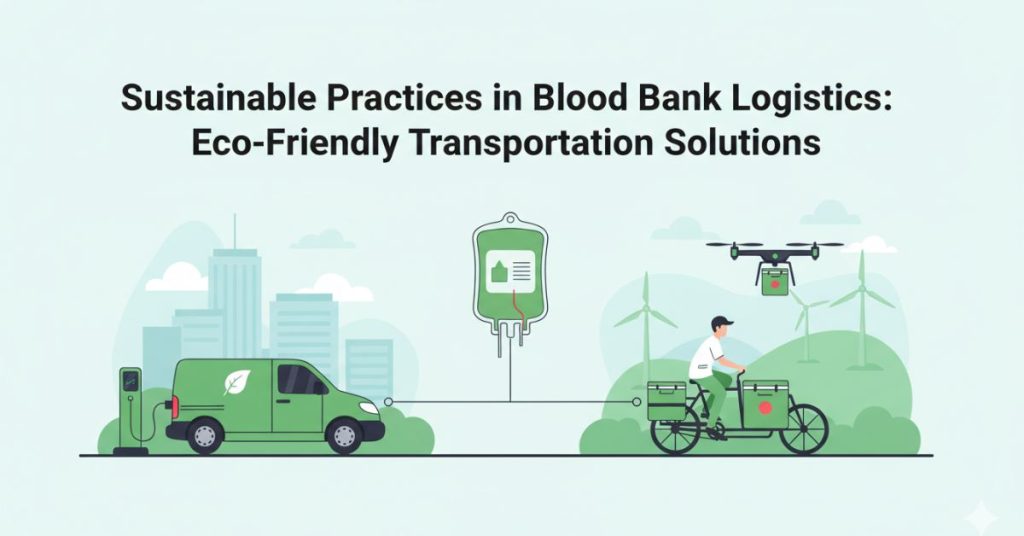
Sustainable transportation systems rely on several strategies that reduce emissions and improve efficiency. These solutions help healthcare providers deliver blood products safely while lowering the environmental footprint of blood bank transport.
Electric and Hybrid Delivery Vehicles
Electric and hybrid vehicles are becoming important tools for reducing emissions in healthcare distribution networks. Electric fleets are particularly useful for short-distance urban deliveries where hospitals are located within the same region.
Hybrid vehicles provide flexibility for longer routes while reducing fuel dependency. These transportation options allow logistics providers to support eco-friendly transport while maintaining the reliability required for sensitive medical shipments.
Smart Route Optimization
Think about how many deliveries happen in healthcare every single day. Blood products often need to travel between donation centers, testing laboratories, and hospitals, sometimes within a very short time frame. If these trips are not planned carefully, vehicles may spend extra time on the road or take longer routes than necessary.
This is where modern routing technology makes a difference. Advanced software can review traffic conditions, delivery priorities, and travel distance to find the most efficient route for each shipment. By cutting down unnecessary travel, logistics teams can lower fuel consumption while still maintaining reliable blood bank transport. Faster and smarter routing also helps ensure that urgent deliveries reach hospitals quickly when time really matters.
Sustainable Packaging and Cooling Systems

Transport containers play a major role in maintaining the safety of blood products. Reusable insulated containers help maintain stable temperatures during transit while reducing waste generated by single-use packaging.
Advanced insulation materials and modern cooling technologies also reduce energy consumption during transportation. These improvements strengthen the reliability of blood logistics while supporting environmentally responsible delivery systems.
Consolidated Deliveries and Transport Planning
Coordinated delivery planning can significantly reduce the number of trips required to supply hospitals. Instead of sending multiple vehicles to nearby facilities, logistics teams can consolidate shipments and deliver them in a single route.
Efficient planning also supports services such as blood sample transport, where diagnostic materials must move quickly between hospitals and laboratories. Organized transportation networks help reduce environmental impact while maintaining reliable healthcare transport services.
Sustainable Cold Chain Solutions for Blood Transportation
Keeping blood at the right temperature during delivery is critical for patient safety. Even small temperature changes can affect the quality of blood products. Because of this, healthcare providers are paying closer attention to how shipments are packed, stored, and monitored while on the move. New packaging designs and monitoring tools are helping logistics teams handle deliveries more carefully while also cutting down on unnecessary waste.
Reusable Temperature-Controlled Containers
One practical solution is the use of reusable temperature-controlled containers. Instead of relying on disposable packaging for every shipment, many organizations now use containers that can be cleaned and reused.
Why does this matter? Reusable systems help reduce packaging waste and make daily operations easier for logistics teams. They can prepare the containers, send them out for delivery, and bring them back for the next shipment. This approach also helps improve reliability in blood bank transport operations.
Advanced Insulation Materials
Another improvement comes from modern insulation materials. These materials are designed to hold stable temperatures for longer periods during transit.
What difference does better insulation make? When containers maintain temperature more effectively, logistics teams do not need to add as many cooling packs. This makes shipments lighter and easier to handle while still protecting sensitive medical products.
Real-Time Temperature Monitoring Systems
Digital sensors allow logistics teams to monitor temperature conditions during transport. If the temperature begins to move outside the safe range, alerts help teams respond quickly. This added visibility helps ensure blood shipments arrive safely and remain within the required temperature limits.
Technology Supporting Green Blood Logistics
Technology is helping healthcare providers handle deliveries more smoothly while cutting down unnecessary travel and fuel use. But how do teams keep an eye on shipments that move between several facilities each day? Real-time tracking tools make this easier by allowing staff to follow deliveries from dispatch to final drop-off, helping ensure everything arrives on time.
Another concern is protecting blood products while they are being transported. Temperature monitoring devices track storage conditions during blood bank transport and send alerts if temperatures move outside the safe range. This allows teams to step in quickly and prevent damage to the shipment.
Technology also helps improve planning. Data tools allow managers to review delivery routes, identify delays, and adjust schedules when needed. Over time, these insights help strengthen medical logistics networks and create transportation systems that are more dependable and environmentally responsible.
Benefits of Sustainable Blood Transport Systems
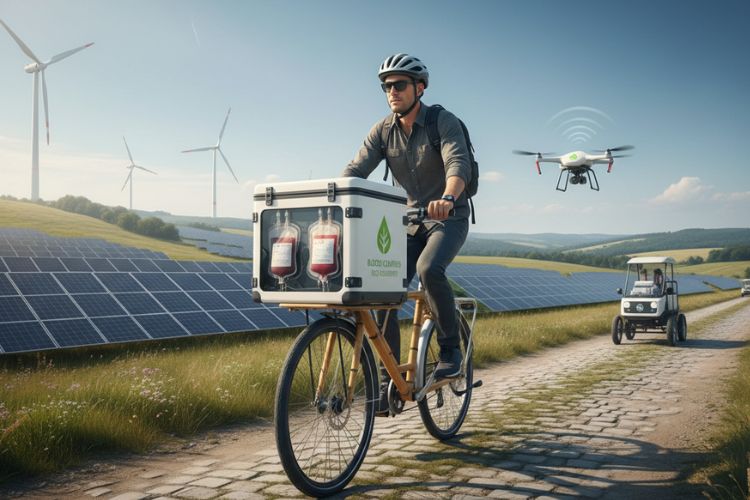
Environmentally responsible delivery systems offer several advantages for healthcare providers. Reduced fuel usage lowers operational costs while helping organizations meet environmental goals.
Efficient transportation planning also improves reliability within blood logistics networks. Hospitals receive critical supplies faster, while logistics providers reduce unnecessary travel and waste. Many healthcare facilities work with specialized providers offering blood bank logistics services to maintain safe and dependable delivery operations.
Experienced providers help healthcare organizations strengthen transportation systems through modern fleet management, temperature-controlled transport, and efficient delivery planning. Their expertise in healthcare transport allows hospitals to maintain reliable supply chains while moving toward greener transportation practices.
Conclusion
Sustainability is becoming a bigger priority in healthcare supply chains. As hospitals and medical facilities look for better ways to manage deliveries, improving blood bank transport has become an important step. Using cleaner vehicles, planning smarter delivery routes, and switching to reusable packaging can help lower environmental impact while still keeping medical shipments safe.
But what does this mean for the future of medical transportation? New solutions such as electric delivery vehicles, smarter route planning tools, and improved cooling systems are already changing how blood products move between facilities. These improvements help healthcare teams cut down on waste, reduce emissions, and keep operations running smoothly.
By gradually bringing in these changes, healthcare providers can build stronger, sustainable logistics systems and support dependable blood logistics operations. In the long run, these efforts not only protect the environment but also help ensure that lifesaving blood supplies reach patients whenever they are needed.