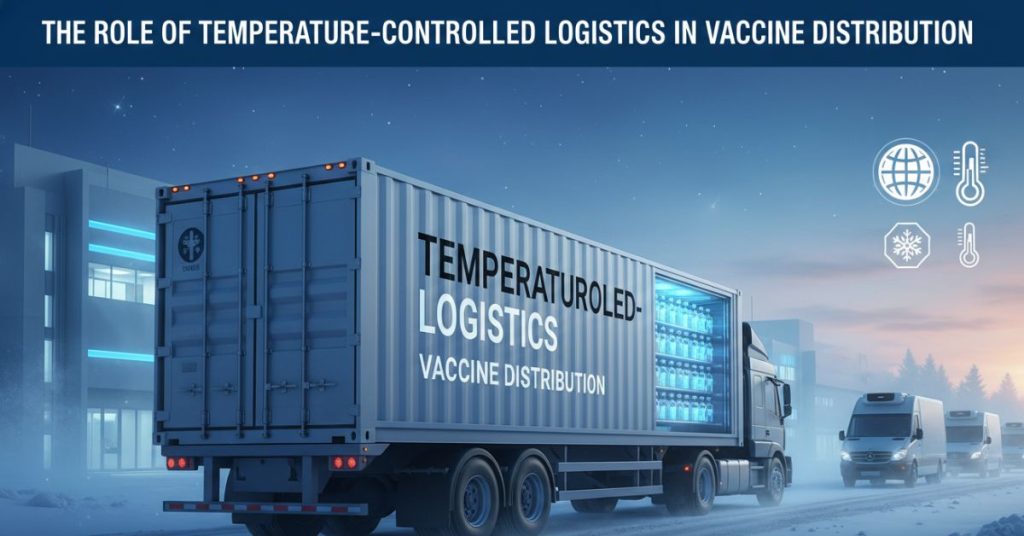
Vaccines are one of the most powerful tools used to prevent disease and protect public health. From routine immunizations to large vaccination campaigns, they help communities stay protected against serious illnesses. But delivering vaccines safely is not as simple as transporting regular medical supplies. Many vaccines are extremely sensitive to temperature changes, which means even small fluctuations during transit can affect their effectiveness.
Because of this, healthcare providers depend on reliable Temperature-Controlled logistics systems to protect vaccines during storage and transportation. Each stage of the vaccine supply chain must maintain stable temperature conditions so vaccines remain safe and effective until they reach patients.
Managing a temperature-sensitive shipment requires careful coordination, specialized equipment, and trained logistics teams. If temperature conditions are not maintained, vaccine doses may lose their potency before they reach clinics or hospitals. This is why strong temperature management plays such a vital role in modern clinical logistics.
Why Vaccine Distribution Requires Strict Temperature Control?
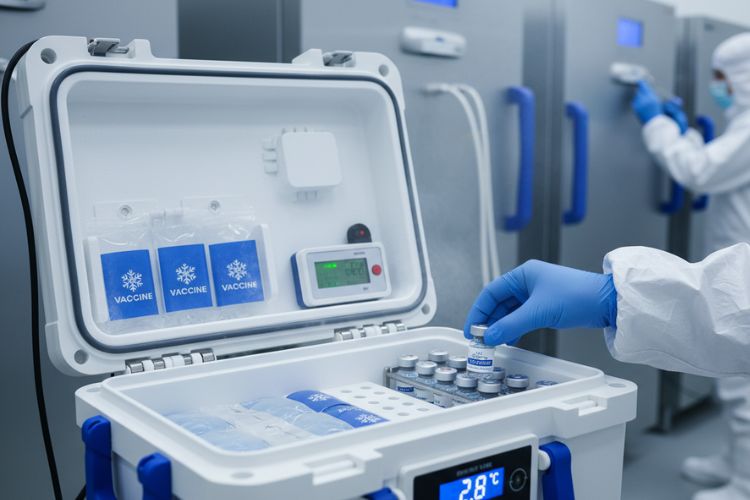
Vaccines contain delicate biological components that can lose stability when exposed to heat or freezing conditions. Maintaining proper temperature conditions is essential to ensure they remain effective.
How Vaccines Lose Effectiveness When Temperatures Change
When vaccines are exposed to temperatures outside the recommended range, their active ingredients may begin to break down. This is especially risky for a temperature-sensitive shipment, where even short exposure to incorrect conditions can reduce vaccine effectiveness.
Temperature Ranges Required for Safe Storage
Most vaccines must remain between 2°C and 8°C during storage and transportation. To maintain this range, Temperature-Controlled logistics systems use refrigerated containers, insulated packaging, and specialized transport equipment.
Risks of Poor Temperature Management
If temperature conditions are not properly maintained, vaccine doses may spoil before reaching their destination. This can lead to wasted doses and delays in immunization programs, affecting the entire vaccine supply chain.
What Happens Before Vaccines Reach Healthcare Providers
Before a vaccine reaches a patient, it usually travels through several checkpoints in the distribution network. Each step plays an important role in protecting the product and keeping it ready for safe use.
From Manufacturing Facilities to Distribution Centers
Once vaccines are produced, they are packed in refrigerated containers designed to keep temperatures stable. These shipments are then sent to regional storage hubs where they are received, checked, and stored under controlled conditions. Keeping temperatures steady during this stage is essential to protect every temperature-sensitive shipment moving through the system.
Moving Vaccines to Hospitals and Clinics
From these storage facilities, vaccines are transported to hospitals, pharmacies, and healthcare centers. During this part of the journey, logistics teams continue to monitor storage conditions and handle shipments with care. Reliable vaccine delivery depends on maintaining proper temperature control throughout transportation.
Reaching Local Vaccination Sites
The final step usually involves delivering vaccines to community clinics or vaccination sites. Even though these trips may be shorter, the same careful handling is required. Strong Temperature-Controlled logistics practices help ensure vaccines stay protected until they are ready to be administered.
Cold Chain Logistics and Its Importance in Vaccine Distribution
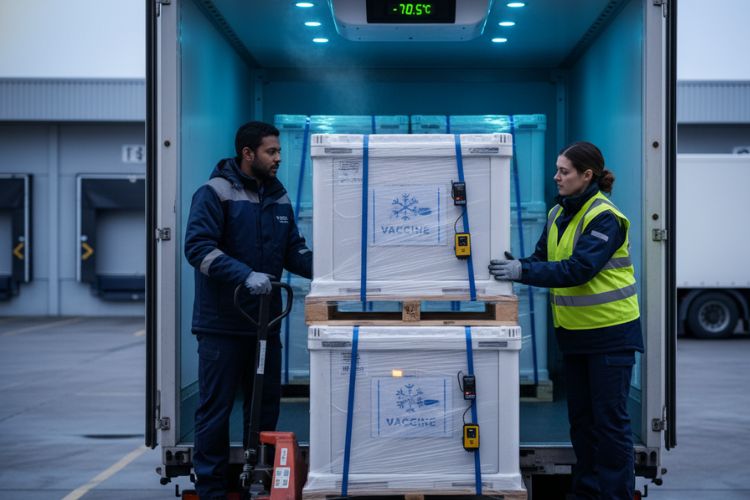
Cold chain management is essential for preserving vaccine quality throughout transportation and storage.
What Cold Chain Logistics Means
Cold chain logistics refers to maintaining consistent temperature conditions throughout the distribution process. These systems ensure that every temperature-sensitive shipment remains within safe storage limits.
Specialized Storage Equipment Used in Vaccine Distribution
Cold chain systems rely on medical refrigerators, insulated containers, and refrigerated vehicles. These tools support reliable Temperature-Controlled logistics across the distribution network.
Maintaining Stability During Transportation
Continuous monitoring and proper packaging help maintain safe storage conditions during transport. Healthcare providers often work with companies offering temperature-control logistics solutions to manage these complex deliveries. Providers help healthcare organizations handle sensitive vaccine shipments safely and efficiently.
Technology That Helps Protect Vaccine Shipments
Modern technology has greatly improved the way vaccine shipments are monitored and managed.
Temperature Monitoring Sensors
Small digital sensors are often placed inside shipping containers to track temperature levels during transit. These devices continuously check storage conditions and help ensure Temperature-Controlled logistics systems stay within the required range.
GPS Tracking and Shipment Visibility
Tracking technology also helps teams follow shipments in real time. By checking the location of deliveries along the route, logistics teams can stay informed and respond quickly if delays or unexpected issues come up.
Digital Alerts for Temperature Changes
Many monitoring systems are designed to send instant alerts if temperatures begin to move outside safe limits. These early warnings allow teams to act quickly and fix the problem before a shipment is affected.
Together, these tools help protect every temperature-sensitive shipment while supporting reliable and well-organized clinical logistics operations.
Challenges in Maintaining Temperature-Controlled Logistics
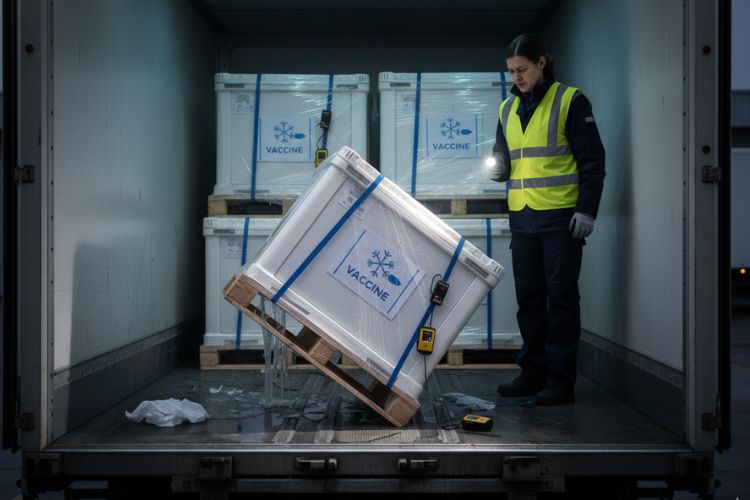
Keeping vaccines within the right temperature range during transportation is not always easy. From long travel distances to equipment reliability, logistics teams must stay alert and prepared to handle different situations along the way.
Long-Distance Transportation
Vaccines often travel across regions or countries before reaching healthcare providers. During these long journeys, Temperature-Controlled logistics systems must remain stable and reliable.
Power Supply and Equipment Reliability
Cold storage equipment depends on stable power sources. Backup systems are often necessary to prevent temperature fluctuations during transit or storage.
Delivering Vaccines to Remote Locations
Some vaccination programs require shipments to travel to rural or remote communities. Reliable vaccine delivery systems are essential for ensuring these locations receive vaccines safely.
Healthcare organizations often rely on specialists providing temperature controlled medical delivery to manage these complex distribution requirements.
Improvements in Modern Vaccine Distribution Systems
Vaccine transportation has come a long way as logistics systems continue to improve. With better tools and smarter planning, healthcare providers can now move vaccines more safely while keeping storage conditions stable during transit. These improvements help reduce the risk of damage and make the distribution process more reliable.
Advanced Cold Storage Equipment
Modern refrigeration equipment is designed to maintain steady temperatures throughout the journey. These systems help protect each temperature-sensitive shipment by reducing the risk of temperature fluctuations during storage and transport.
Improved Insulated Packaging
Packaging solutions have also improved over time. High-quality insulated containers are now able to hold stable temperatures for longer periods, even during extended travel. This makes it easier for logistics teams to manage deliveries without worrying about sudden temperature shifts. These upgrades play an important role in supporting dependable Temperature-Controlled logistics across the distribution network.
Smarter Delivery Planning
Better planning tools are helping logistics teams organize deliveries more efficiently. Advanced routing systems allow teams to coordinate shipments, reduce delays, and improve movement across the vaccine supply chain, ensuring safe and timely vaccine delivery.
Why Reliable Logistics Partners Matter in Vaccine Distribution
Transporting vaccines is not something that can be handled like ordinary shipments. It requires trained teams, proper equipment, and strict procedures to keep products safe throughout the journey. Experienced logistics providers understand how important it is to maintain stable temperatures and handle vaccines carefully at every step of transportation.
Working with the right partner also makes the process smoother for healthcare organizations. Instead of worrying about storage conditions or delivery delays, providers can rely on logistics experts who know how to manage these sensitive shipments. With the right support in place, healthcare facilities can strengthen their clinical logistics operations and keep the vaccine supply chain running safely and efficiently.
Wrapping it Up
Behind every successful vaccination program is a well-organized distribution system working quietly in the background. Vaccines must travel through several stages before they reach hospitals and clinics, and each step requires careful attention. From proper storage to safe transportation, maintaining the right temperature conditions is essential for protecting every temperature-sensitive shipment along the way.
When strong Temperature-Controlled logistics systems are in place, healthcare providers can count on vaccines arriving in safe condition and ready to use. Modern monitoring tools, trained logistics teams, and reliable transportation networks all help keep the process running smoothly.
As vaccination programs continue to expand, strong logistics support will remain essential. Reliable planning and safe vaccine delivery ensure that healthcare providers receive the doses they need, helping communities stay protected and healthy.
FAQs
What is temperature-controlled logistics in vaccine distribution?
It refers to transportation systems designed to maintain specific temperature ranges during storage and delivery to protect vaccine quality.
Why are vaccines considered temperature-sensitive shipments?
Vaccines contain biological materials that can lose effectiveness if exposed to heat or freezing conditions.
What temperature range must vaccines be stored at?
Many vaccines need to stay between 2°C and 8°C while they are stored or transported. Staying within this range helps preserve their effectiveness until they are ready to be used.
How do logistics companies monitor vaccine shipments?
Special monitoring tools are used to keep an eye on temperature levels during transit. Digital sensors, tracking systems, and monitoring platforms allow logistics teams to check conditions in real time and step in quickly if something begins to change.
Why is reliable vaccine delivery important?
Secure handling during transit helps preserve vaccine potency, allowing medical professionals to safeguard patients and support community health.